As the world increasingly shifts towards sustainable solutions, LED lights are at the forefront of this movement. The LED Lights industry is projected to grow significantly, with a report from MarketsandMarkets estimating a compound annual growth rate (CAGR) of 13.6% from 2021 to 2026. This trend reflects the growing demand for energy-efficient lighting solutions across various sectors, including residential, commercial, and industrial markets.
Expert John Smith, a leading figure in the LED sector, emphasizes, “The evolution of LED technology is transforming how we approach lighting in our daily lives.” He points out that innovations like smart lighting and enhanced designs are paving the way for greater efficiency and aesthetic appeal. However, despite these advancements, challenges remain, particularly in addressing the environmental impact of manufacturing processes.
Global buyers should not overlook the rapidly changing landscape of LED lights. Emerging trends, such as integration with smart home systems and sustainability initiatives, will shape purchase decisions. Companies must stay informed to navigate the complexities of evolving consumer preferences and technological innovations. Keeping a pulse on the market is essential for making informed choices and driving progress in the LED Lights industry.
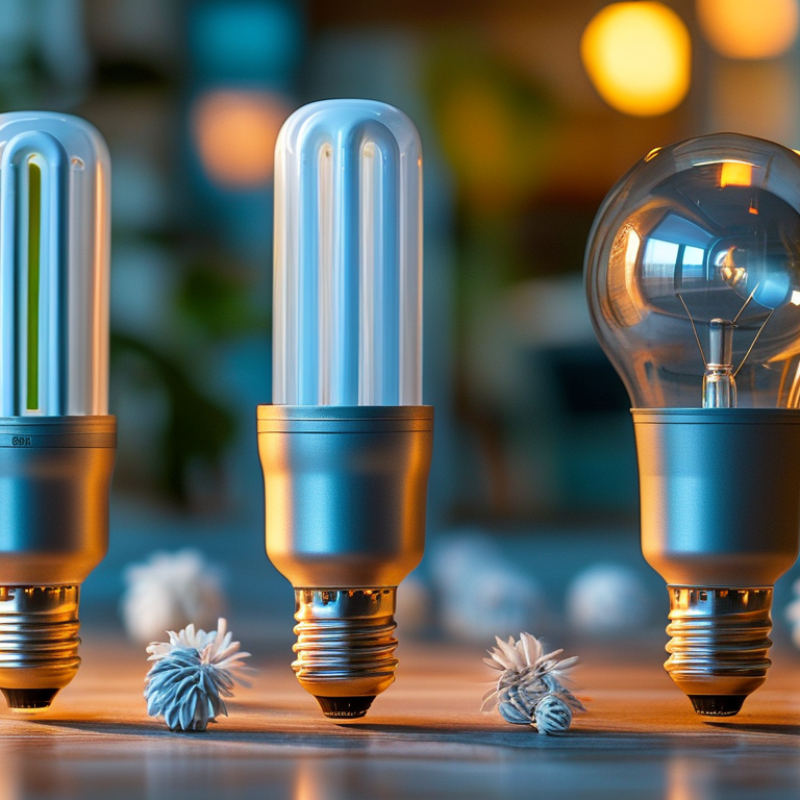
Emerging LED Technologies Shaping the Landscape in 2026
The LED lighting industry is poised for transformative shifts in 2026. Emerging technologies are at the forefront of this evolution. One significant trend is the rise of human-centric lighting. This technology adjusts brightness and color temperature based on natural light cycles. According to a recent market analysis, the human-centric lighting segment is expected to grow by over 25% annually, reflecting its increasing adoption in workspaces and homes.
Another notable advance is the integration of smart lighting systems. These solutions utilize IoT technology to allow remote control and automation. A report by industry experts highlights that smart LED installations can reduce energy consumption by up to 50%. However, the complexity of these systems can be a barrier to accessibility. Users often face challenges in managing the plethora of connected devices.
Sustainability remains a key focus. Solid-state lighting is gaining traction due to its lower environmental impact. Reports indicate that solid-state lighting products could save energy equivalent to the output of 7,000 power plants by 2026. Despite this progress, manufacturers must address the challenges of recycling and material sourcing to ensure true sustainability. The journey toward greener technologies is still ongoing and reflects broader industry concerns.
Sustainability Trends Driving LED Production and Innovation
The shift towards sustainability is reshaping LED production significantly. Manufacturers are now more focused on eco-friendly materials and energy-efficient designs. This reflects an increasing demand from consumers who prioritize green products. It is important for buyers to understand these trends to make informed choices.
Recycling and upcycling are becoming common practices in the LED industry. Companies are exploring how to repurpose old LED lights into new products. This not only reduces waste but also lowers costs. However, the challenge remains in ensuring these processes do not compromise quality and performance. Constant innovation is required here.
Additionally, the emphasis on energy efficiency leads to interesting design choices. Sleeker, more adaptive lighting solutions are emerging. Designers are experimenting with form and function, creating versatile products. Yet, it's crucial to ensure that aesthetic appeal does not overshadow practicality. Taking stock of these dynamics can help buyers navigate the complex landscape of LED lighting effectively.
Market Growth Projections for LED Lighting Global Demand by 2026
The global demand for LED lighting is projected to grow significantly by 2026. According to industry reports, the market value of LED lighting is expected to reach over $100 billion. This surge is driven by the increasing awareness of energy efficiency and sustainability.
LEDs consume up to 80% less energy compared to traditional lighting. As cities worldwide adopt smarter solutions, the demand for innovative LED products is predicted to soar.
In addition, the residential sector is embracing LED technology at an accelerating rate. Over 50% of consumers are now choosing LED bulbs for their homes. This trend is expected to continue as prices for LED lighting decrease. However, one must consider the varied adoption rates across regions. For example, developing countries may face challenges in infrastructure that slow down LED adoption. Balancing cost and technology will be crucial for these markets.
Tips for potential buyers include conducting regular energy audits to assess lighting efficiency. Stay informed about the latest innovations in LED technology to make sound purchasing decisions. Remember that not all LED products are equal, so thorough research is essential. As the market evolves, adapting to new trends will ensure optimal lighting solutions for various applications.
Integration of Smart Technology in LED Lights for Enhanced User Experience
The integration of smart technology into LED lights is reshaping the lighting industry. These innovations enhance user experience significantly. Smart LED lights now offer features like remote control and automation. Users can adjust brightness and color with a smartphone app. This convenience is appealing to many.
Some options even support voice commands. However, the complexity can be overwhelming for some users. There is a learning curve with these technologies. It's important for consumers to feel confident in using smart features. User-friendly interfaces are essential.
Moreover, energy efficiency is a critical consideration. Smart LED lights can adapt based on the environment. Yet, integrating smart technology often raises concerns about reliability. If the network fails, traditional functions might be compromised. It's vital for manufacturers to ensure that smart LED products are robust and dependable.
2026 Top LED Lights Trends for Global Buyers to Consider
| Trend |
Description |
Key Features |
Potential Impact |
| Smart Integration |
Incorporating IoT technology to allow remote control and monitoring of lighting systems. |
Mobile app control, voice activation, integration with smart home systems. |
Increased energy savings, enhanced convenience, improved automation. |
| Human-Centric Lighting |
Adjustable light temperature and intensity to enhance well-being and productivity. |
Circadian rhythms synchronization, tunable white light, personalized settings. |
Improved mood, better sleep quality, increased productivity. |
| Energy Efficiency |
Focus on reducing energy consumption with advanced LED technology. |
Lower wattage, longer lifespan, adaptive lighting solutions. |
Cost savings, reduced carbon footprint, sustainability benefits. |
| Circadian Lighting |
Lighting designed to mimic natural daylight, supporting biological rhythms. |
Dynamic lighting changes, responsive to time of day, health-focused designs. |
Enhanced health benefits, improved focus, energy levels throughout the day. |
| Wireless Lighting Solutions |
Adoption of wireless technologies for easier installation and flexibility in design. |
Bluetooth, Zigbee, or Wi-Fi connectivity for enhanced user experience. |
Easier installations, flexibility in space design, reduced wiring costs. |
Consumer Preferences and Aesthetic Trends Influencing LED Design Choices
The world of LED lighting is evolving rapidly. In 2026, consumer preferences lean toward sustainability and aesthetics. More buyers want energy-efficient options with a minimal carbon footprint. This trend encourages manufacturers to innovate beyond traditional designs. Sleek lines, soft curves, and organic shapes are gaining popularity. These designs resonate with the modern home environment.
Color temperature choices are also shifting. Cool, white lights create a crisp, clean atmosphere. Warmer tones are favored for their cozy feel. Consumers often express a desire for customizable lighting solutions. Adjustability allows for tailored experiences in various settings. However, not all designs achieve this balance perfectly. Some products struggle with functionality versus style.
Feedback is a valuable tool for improvement. Growing interest in smart technology shapes design trends. Incorporating IoT and automation features is often met with mixed reviews. While some appreciate the added convenience, others find complexity unappealing. Striking a balance between innovation and user-friendliness will be crucial. These evolving preferences are reshaping the LED landscape significantly.
FAQS
: The shift towards sustainability is significantly influencing LED production, focusing on eco-friendly materials and designs.
Manufacturers are exploring ways to repurpose old LED lights into new products to reduce waste.
Ensuring that recycling processes do not compromise quality and performance remains a key challenge for manufacturers.
Sleek lines, soft curves, and organic shapes are becoming popular as consumers seek modern aesthetics.
Consumers prefer cool white lights for a clean atmosphere and warmer tones for a cozier environment.
Many desire customizable lighting solutions that allow for tailored experiences in different settings.
No, some products fail to achieve a balance between aesthetic appeal and practical functionality.
Feedback helps manufacturers improve products, especially in response to growing interest in smart technology.
While some users appreciate smart features, others find them complicated and unappealing.
Continuous innovation is necessary to meet consumer demands for sustainability and design without sacrificing quality.
Conclusion
The article "2026 Top LED Lights Trends for Global Buyers to Consider" explores key trends that are expected to shape the LED lighting market by 2026. Emerging LED technologies are poised to revolutionize efficiency and performance, while sustainability remains a pivotal factor driving production and innovation in LED lights. Market growth projections indicate a significant rise in global demand, emphasizing the importance of adapting to evolving consumer preferences that favor modern aesthetics and environmentally friendly products.
Furthermore, the integration of smart technology into LED lights enhances user experience by offering advanced functionalities and connectivity options. As consumers seek greater control and personalization in their lighting choices, these trends reflect a broader shift towards intelligent and sustainable solutions in the LED sector, suggesting exciting opportunities for global buyers in the coming years.