Choosing the right Advertising Light Boxes can shape how customers notice, remember, and trust a brand. For global buyers, the decision involves more than brightness or attractive product photos. Frame quality, fabric tension, LED efficiency, color accuracy, packaging, and after-sales support all affect long-term value. A display that looks impressive in a showroom may perform differently in a busy airport, retail store, exhibition hall, or outdoor-facing window.
This guide reviews seven Advertising Light Boxes suitable for international purchasing needs. Each option is considered through practical details, including illumination uniformity, aluminum construction, graphic replacement, power requirements, installation methods, and shipping protection. Buyers should also check voltage compatibility, plug types, product dimensions, warranty terms, and available compliance documents before ordering. Requirements can differ between countries and commercial environments.
Small details matter.
Our evaluation aims to combine hands-on purchasing considerations with reliable product information from manufacturers and established suppliers. However, no single light box suits every business. A lightweight frame may reduce freight costs but provide less impact resistance. A brighter panel may attract attention but consume more energy. Even color performance can change when viewed under different surrounding lights. These limitations deserve honest attention. We may overlook factors that matter in a highly specialized setting, so buyers should request samples, technical drawings, and current specifications before making a final decision. The following selections offer a practical starting point for comparing quality, usability, and value across global markets.
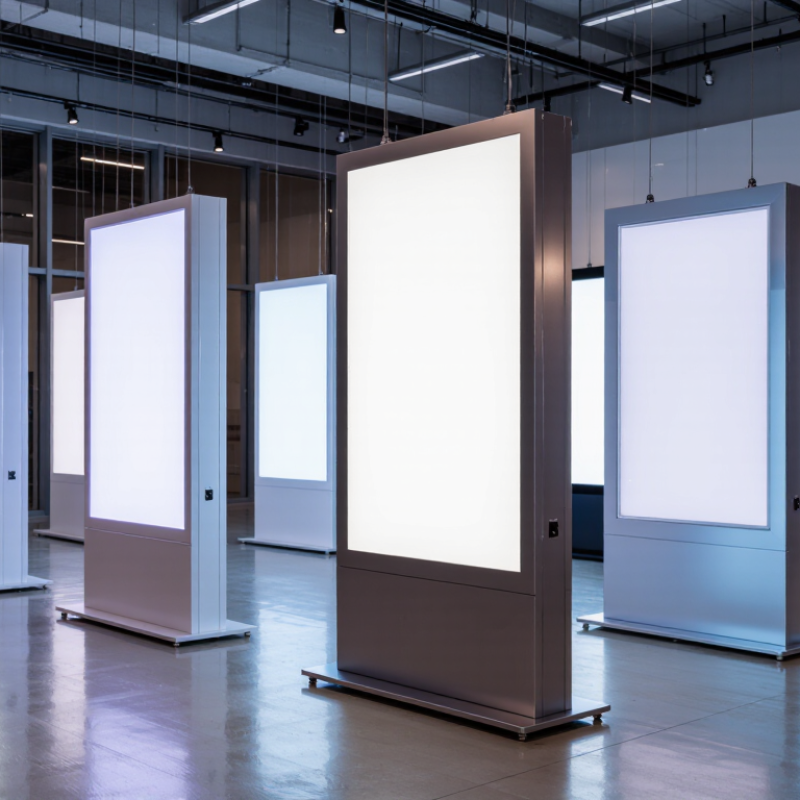
What Advertising Light Boxes Are and How They Work
Advertising light boxes are illuminated display units that place printed graphics over a light source. They make messages visible in shops, airports, exhibitions, and street-facing windows. Most models use LEDs because they produce steady light, consume less energy, and generate limited heat. That matters when a display runs for twelve hours daily.
The basic structure is simple. A metal or plastic frame holds an acrylic panel, fabric graphic, or translucent film. LEDs sit behind the graphic in backlit models. In edge-lit designs, LEDs send light through a clear panel and a specially printed surface. Power enters through a low-voltage driver. The driver controls electrical output and helps protect the lighting system from unstable current.
Brightness should match the viewing environment. A window display may need stronger illumination than an indoor reception sign. Too much brightness can create glare. Uneven spacing can produce visible dark patches. I have found that careful LED placement often matters more than advertised wattage. Double-sided boxes need a rigid center frame and separate light distribution on each face. Outdoor units also require sealed edges, drainage, and suitable weather protection.
Global buyers should check voltage compatibility, plug standards, frame dimensions, graphic replacement methods, and packaging strength. Freight vibration can bend thin panels. A compact, tool-free structure sounds convenient, but some designs feel fragile after repeated assembly. Requesting lighting tests, material samples, and installation drawings reduces uncertainty before production. No specification replaces inspection.
Key Features Global Buyers Should Compare
7 Best Advertising Light Boxes for Global Buyers
Key Features Global Buyers Should Compare
Global buyers need more than a glowing panel. When comparing the seven best advertising light boxes, start with illumination quality. Check brightness in lux, color consistency, and diffuser performance from edge to center. A bright center with dark corners weakens a product display. LED lifespan matters, but heat control matters too. Poor ventilation can shorten service life. Ask for test data, not vague claims.
Size and construction affect daily use. Compare the visible area, frame depth, material thickness, and mounting options. Slim aluminum frames suit retail walls, while reinforced structures work better for freestanding displays. Review the graphic replacement method carefully. A tool-free system saves time during campaign changes. However, some clips feel fragile after repeated handling. This detail deserves a hands-on check.
Electrical compatibility is essential for international orders. Confirm input voltage, plug type, power consumption, and available adapters. Buyers should also examine safety documentation and operating instructions. Certifications may differ by destination, so local requirements still need verification. Water resistance can help in semi-outdoor locations, but an indoor rating is not enough for exposed weather. Shipping weight, packaging strength, spare parts, and warranty support deserve comparison too. A low purchase price may become expensive after one damaged shipment. I would request photos of the packed unit and a sample installation guide before ordering. JSImport
Seven Leading Advertising Light Box Types for Different Needs
Choosing among the seven leading advertising light box types depends on location, viewing distance, and campaign duration. In my experience, fabric light boxes create smooth, low-glare graphics for retail interiors. Snap-frame boxes suit frequently changed posters and need simple front access. Edge-lit boxes offer slim profiles for narrow walls, although uneven brightness can appear on larger panels.
Freestanding light boxes attract attention in corridors, trade halls, and reception areas. Hanging double-sided boxes serve visitors from two directions and use ceiling space efficiently. Outdoor weather-resistant boxes need sealed frames, protected wiring, and tested drainage. Backlit poster boxes remain practical for small campaigns, especially when staff replace printed graphics without tools. Specifications matter. Check luminance, diffusion material, frame depth, power consumption, and replacement access before ordering. A bright panel is not always a better panel.
Tips: Match light color to the setting. Neutral white often preserves product colors more accurately. Ask for a real illuminated sample, not only a digital rendering. Measure the installation surface twice. I once underestimated cable clearance, and the finished display looked cramped. That mistake was avoidable. Also review local electrical requirements, fire-safety rules, and indoor or outdoor suitability with a qualified installer. Some low-cost units save money initially but create maintenance problems later. Consider spare graphics, LED lifespan, cleaning access, and shipping protection before approving the final design.
How to Choose the Right Light Box for Your Market
Choosing an advertising light box starts with the viewing distance, local daylight, and installation site—not just brightness. A station display needs even illumination and strong contrast; a shop window may need reduced glare. The World Out of Home Organization’s 2024 Global Expenditure Report estimated worldwide out-of-home advertising revenue at about US$41.9 billion in 2023. Digital formats accounted for roughly 36%. These figures show why visibility matters, but they do not tell you which unit fits your market.
Compare the display size, light distribution, power requirements, and access for repairs. For outdoor use, check the enclosure’s weather protection and how easily technicians can replace components. The U.S. Department of Energy says LEDs use at least 75% less energy than incandescent lighting. Treat that as a useful benchmark, not a direct comparison with every light-box design. I have seen buyers focus too heavily on brightness; excessive glare can make small text harder to read.
Tips: View a sample at the actual distance, both at noon and after dark. Confirm local voltage and spare-part availability before ordering. A quick nighttime test can reveal uneven lighting that a product photo may hide.
7 Best Advertising Light Boxes for Global Buyers: How to Choose the Right Light Box for Your Market
This comparison scores seven common light box formats against key purchasing factors on a 1–10 scale. Indoor fabric frames are often preferred for lightweight retail displays, while outdoor LED cabinets and outdoor totems are better suited to weather exposure, visibility, and long-term durability. Consider installation location, viewing distance, portability, maintenance, and local electrical requirements before choosing a format.
Installation, Maintenance, and International Buying Considerations
Installing an advertising light box starts with the wall, not the artwork. Check masonry, wind exposure, cable routes, and service access before unpacking. A level, torque-controlled fixing set, and stainless hardware help prevent crooked panels and early corrosion. For outdoor units, seal cable entries with suitable glands, then test drainage after a light water spray. Never rely on adhesive alone for a large sign. My first rushed installation taught me that hidden access space matters; replacing one driver required removing the entire face.
Maintenance should follow a written schedule based on location, weather, and operating hours. Clean diffusers with a soft cloth; abrasive products can cloud the surface. Inspect connectors, seals, power supplies, and mounting points every few months. Small faults become expensive. Look for dark LED sections, flicker, moisture marks, or unusual heat. Disconnect power before opening the enclosure, and let trained personnel handle electrical repairs. Record cleaning dates, replaced parts, and measured brightness. This simple log supports warranty discussions and reveals repeated failures.
International buyers need more than a low unit price. Confirm operating voltage, frequency, plug type, ingress rating, luminance, color temperature, and packing dimensions. Request drawings, spare-part lists, installation guides, and recent electrical test reports. Check whether replacement drivers and LED modules can be sourced locally. Freight damage is common; photograph crates before opening and inspect corners, lenses, and wiring. Ask the supplier how claims are handled, in writing. Delivery terms and import duties should be clarified with a qualified local agent. I would also order one sample first. It may expose uneven brightness or weak packaging before a larger purchase.
FAQS
It is a display with a printed graphic placed over an illuminated panel. LEDs commonly provide steady light with limited heat.
Backlit models place LEDs behind the graphic. Edge-lit models send light through a clear panel. Small details matter.
Snap-frame and backlit poster boxes allow quick graphic changes. Check that staff can open the frame easily.
Match the design to its location, viewing distance, and campaign length. Check brightness, frame depth, power use, and graphic access.
No. Excess brightness can cause glare, while uneven LED spacing may leave dark patches. A real illuminated sample helps.
Look for sealed edges, protected wiring, and suitable drainage. Confirm the unit is designed for outdoor use.
Confirm voltage, plug type, frame size, and replacement methods. Ask for material samples, lighting tests, and installation drawings.
Measure the wall and leave space for cables. I once missed cable clearance, and the finished display felt cramped. That was avoidable.
Conclusion
Advertising Light Boxes are illuminated display systems designed to make graphics, products, and promotional messages more visible in retail stores, exhibitions, transit areas, hospitality venues, and outdoor environments. This article explains how light boxes work through evenly distributed LED lighting, printed or digital graphics, and protective frames. It compares important features global buyers should evaluate, including brightness, energy efficiency, color consistency, frame materials, display size, portability, weather resistance, and ease of graphic replacement.
The guide presents seven light box types for different applications, such as wall-mounted, freestanding, hanging, fabric-covered, double-sided, outdoor, and portable models. It also explains how to select the right option according to local market conditions, available space, branding goals, installation requirements, and budget. In addition, readers will find practical advice on assembly, cleaning, LED maintenance, packaging, shipping, voltage compatibility, product specifications, and communication with international suppliers. This overview helps buyers make informed decisions and choose a reliable Advertising Light Boxes solution for long-term visual impact.