
Choosing the right Smokeshop Sign in 2026 requires more than attractive lettering and bright illumination. Global buyers must balance brand visibility, local regulations, material quality, and customer trust. A well-designed sign should identify a lawful retail business clearly, without promoting restricted products or making unsupported health claims.
This guide examines practical sign options for different storefronts, climates, and budgets. Expect acrylic panels, aluminum letters, LED displays, window graphics, and custom illuminated designs. Each option offers different advantages. Weather matters. A coastal shop may need corrosion-resistant materials, while a busy city storefront may require low-glare lighting and accessible placement. Energy use also deserves attention, especially for businesses operating signs throughout the evening.
Details build credibility. Buyers should review supplier portfolios, installation experience, electrical certifications, warranty terms, and replacement support before ordering. A professional vendor should explain brightness levels, mounting methods, maintenance needs, and compliance with local advertising rules. Independent reviews can help, but they are not perfect evidence. Some may be outdated or overly promotional.
Good signage is not always the biggest signage. It should remain readable from the sidewalk, match the building, and support a responsible retail image. Global purchasing also introduces risks, including unclear shipping duties, inconsistent color samples, and communication gaps. Requesting a digital proof and physical material sample can prevent expensive mistakes. This article compares the most practical Smokeshop Sign choices for 2026, while recognizing that local approval requirements can change. Verify them before production.
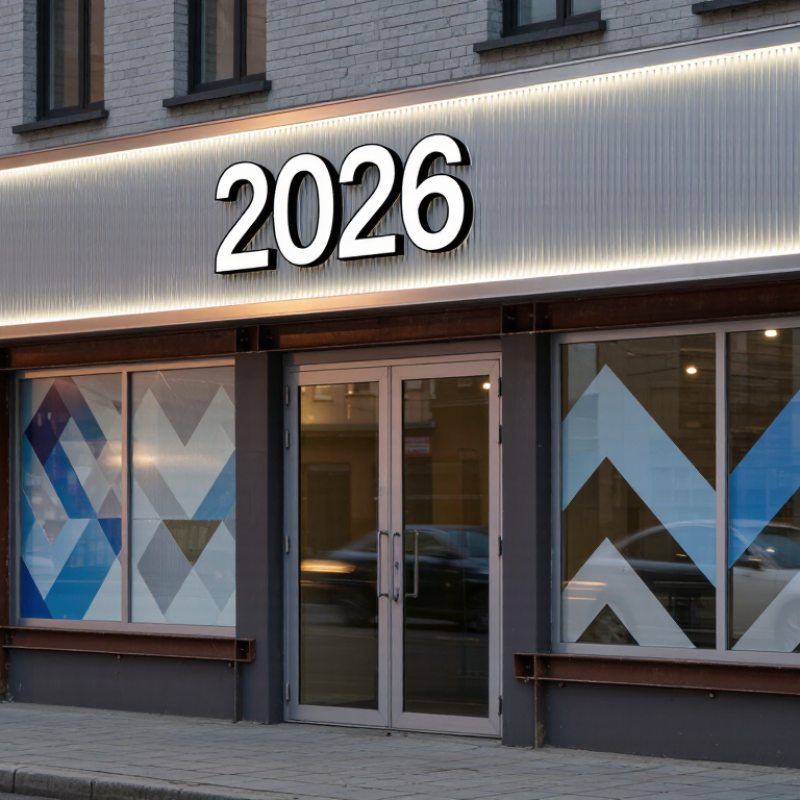
Visibility directly affects retail performance. A FedEx Office consumer survey found that 76% of respondents had entered a store because its sign attracted them. The Sign Research Foundation also links effective on-premise signage with stronger business visibility and customer recognition. These findings matter for global buyers because a sign must work across languages, climates, and urban layouts. Clear contrast helps at dusk. Large lettering helps drivers and pedestrians. Simple icons can support international visitors.
In practical retail audits, many signs look impressive online but fail in sunlight, rain, or crowded streets. That is an easy mistake to make. Buyers should request lumen details, material specifications, installation drawings, and compliance guidance before ordering. Digital displays offer flexibility, but static signs usually require less maintenance. Energy-efficient lighting can reduce operating costs, although poor wiring may create future problems. The best 2026 sign is not always the largest one. It is the clearest, safest, and most durable choice for its location.
For 2026 global buyers, sign selection should follow the smokeshop’s location, viewing distance, and local advertising rules. A street-front shop benefits from a bright, raised channel-letter sign with strong contrast. Research from the Sign Research Foundation shows that readable on-premise signs can influence customer awareness and location choice. Keep the message short. Drivers need instant recognition.
Shopping-center locations need cleaner signs. Use illuminated flat panels, dimensional letters, or a compact projecting sign. The International Sign Association reports that nearly 60% of consumers notice business signs during local travel.
A projecting sign works well beside narrow walkways, where storefront visibility is limited. Avoid excessive brightness near neighboring stores.
For indoor kiosks, backlit panels and countertop signs are more practical than large exterior displays. They create a clear viewing point without blocking shared corridors. A widely cited consumer signage survey found that about 68% of shoppers had entered a business after noticing its sign. That figure is useful, but not universal. Placement, lighting, and local culture still change results.
Weather matters too. Coastal sites need corrosion-resistant frames, sealed lighting, and drainage gaps. Historic districts may require non-illuminated signs or restrained colors. My practical mistake was treating visibility as brightness alone. Glare can reduce readability. Test the sign at morning, evening, and rainy conditions before committing to production.
2026 Best Smokeshop Sign Options for Global Buyers?
When comparing sign materials, start with the installation environment. Powder-coated aluminum suits outdoor walls because it resists moisture and stays relatively light. Acrylic creates a clean, bright face, but it can scratch during transport. Stainless steel offers a premium appearance and strong corrosion resistance. It also increases shipping weight. Ask for material thickness, edge finishing, UV resistance, and protective packaging before ordering. These details often matter more than photographs.
Lighting should match the viewing distance. Even illumination helps drivers and pedestrians read the sign quickly. LED modules with sealed housings are practical for humid locations. Check the stated protection rating, power requirements, color temperature, and replacement access. Warm white can feel welcoming, while neutral white usually improves letter clarity. Excessive brightness creates glare. That hurts visibility. I have seen attractive signs become difficult to read after dusk because the face reflected nearby streetlights.
Size depends on distance, mounting height, letter height, and local display rules. Measure the wall and photograph the viewing angle before approving artwork. High contrast usually improves recognition more than oversized decoration. A simple dark face with bright lettering may perform better than a crowded layout. Confirm voltage compatibility and required electrical certifications for the destination market. Also review language, symbols, permit limits, and building restrictions with a local professional. My earlier preference for maximum brightness was not always correct; energy use, neighbor comfort, and nighttime readability deserve equal attention.
Comparison of common sign materials and lighting configurations using typical industry performance ranges for durability, energy efficiency, visibility, and value.
Legal and safety rules should guide every smokeshop sign purchase. Requirements differ by country, city, building type, and product category. Check local permits before approving artwork or production. Some areas restrict wording, colors, lighting, or visibility from schools and public roads. A sign should identify a lawful retail business clearly, without encouraging underage interest or making health claims.
Safety details matter too. Outdoor signs need weather-resistant materials and secure mounting. Illuminated signs should use certified electrical components and protected wiring. Avoid sharp edges, blocked exits, excessive brightness, and loose hanging parts. Local language rules may apply. Accessibility standards can also affect contrast, lettering, and placement. A small compliance mistake may cause expensive replacement work.
Tips: Ask the buyer for zoning rules, permit documents, and approved wording. Confirm voltage, fire-rating requirements, and installation conditions before production. Keep product references factual and age-appropriate. Review the design at night, not only on a computer screen. It can look different. Global buyers should request technical drawings, material samples, and installation instructions. One point is easy to miss: shipping a compliant sign does not guarantee local approval. A qualified local installer or licensing officer should review the final plan. Rules change, and assumptions can age badly.
For global buyers, selecting a smokeshop sign supplier requires more than comparing prices. Start with the sign’s purpose, installation location, and local advertising rules. Outdoor signs need weather-resistant materials, sealed wiring, and tested power components. Indoor signs may use lighter acrylic, aluminum, or low-energy LED lighting.
Ask suppliers for material specifications, production photos, safety documents, and a physical sample. Ask for a sample. The sample should show color accuracy, edge finishing, brightness, and packaging quality. A reliable supplier also explains minimum order quantities, production time, replacement policies, and export experience. Clear drawings reduce mistakes, especially when measurements use different units.
Cost control depends on the full delivered price. Compare product cost, tooling, packaging, freight, customs charges, and installation hardware. A lower quote may hide weak cartons or expensive replacement parts. Details matter. Request two shipping options, such as consolidated freight and express delivery. For repeated orders, standardizing sizes can reduce tooling costs and simplify inventory. However, ordering too much too early can lock cash into slow-moving designs. That is easy to underestimate.
Buyers should confirm payment terms and inspect a pre-shipment sample before releasing the balance. Keep written records of approved colors, dimensions, electrical ratings, and carton markings. One practical lesson is uncomfortable: the cheapest supplier is not always the lowest-cost supplier. Small quality failures can create delays, rework, and local compliance problems. Trade documents should be reviewed carefully by the buyer’s customs or logistics professional.
Comparative guide for international buyers. Prices are indicative 2026 factory-level ranges in USD for standard-size orders and generally exclude artwork, taxes, customs duties, installation, and international freight.
| Sign Option | Typical Construction | Common Size Range | Indicative Unit Price | Typical Lead Time | Estimated Service Life | Shipping & Packaging Profile | Best Use | Main Cost-Control Method |
|---|---|---|---|---|---|---|---|---|
| Flat Aluminum Composite Panel Sign | Aluminum composite panel with printed vinyl, protective laminate, or direct UV print | 600 × 300 mm to 2400 × 800 mm | $25–$140 | 7–15 working days | 3–7 years outdoors, depending on coating and exposure | Lightweight and stackable; relatively low freight volume | Budget storefront identification and wall-mounted direction signs | Use standard panel thicknesses, repeatable sizes, and consolidated carton packing |
| 3D Acrylic Letter Sign | Laser-cut acrylic faces or solid acrylic letters with optional PVC or metal backing | Individual letters from 100–600 mm high | $8–$45 per letter | 10–20 working days | 3–8 years outdoors with UV-stable materials | Requires protective film, corner protection, and careful separation of letters | Premium interior branding and dimensional wall displays | Limit the number of custom fonts, colors, and letter depths |
| Front-Lit Channel Letter Sign | Fabricated aluminum or acrylic channel letters with LED modules and power supplies | 300–1200 mm letter height | $90–$420 per letter | 15–30 working days | 5–10 years for the enclosure; LED components may require replacement earlier | Bulky but relatively light; electrical components require moisture protection | High-visibility exterior façades and retail locations | Standardize letter depth, LED color temperature, voltage, and mounting rails |
| Back-Lit Halo Letter Sign | Opaque metal or acrylic letters with rear LED illumination | 250–1000 mm letter height | $110–$500 per letter | 15–30 working days | 5–10 years with suitable outdoor sealing | Needs rigid packaging to protect mounting studs and letter edges | Upscale façades and low-glare evening visibility | Use a shared mounting template and limit custom standoff distances |
| LED Lightbox Sign | Aluminum frame with acrylic, polycarbonate, or fabric light face and internal LEDs | 600 × 600 mm to 3000 × 1200 mm | $180–$950 | 15–25 working days | 5–10 years; face graphics may need earlier replacement | Higher cubic volume; flat-pack frames can reduce freight cost | Bright storefront signs, menu panels, and indoor promotional displays | Choose modular frames and replaceable printed faces instead of a fully custom cabinet |
| Neon-Style LED Flex Sign | Flexible LED neon tubing mounted on acrylic or aluminum backing | 400–1800 mm overall width | $120–$700 | 12–25 working days | 3–7 years, depending on outdoor rating and operating hours | Moderate volume; fragile tubing needs molded or reinforced protection | Interior feature walls, counters, and decorative window displays | Use simple single-line artwork and standard tube colors |
| Freestanding Pylon or Monument Sign | Steel or aluminum frame with ACM, acrylic, or illuminated panels | 1200–5000 mm high | $900–$6,000+ | 25–50 working days | 7–15 years with suitable structural coating and maintenance | Oversized freight; may require crating, local delivery, and special handling | Shopping centers, roadside locations, and multi-tenant properties | Use a modular two-piece structure and source installation locally |
| Window Vinyl and Perforated Film | Self-adhesive PVC film, perforated window film, or removable promotional graphics | Custom cut to glass area | $3–$18 per m² | 5–12 working days | 1–3 years outdoors; longer indoors | Very low freight cost; rolls or flat sheets are easy to consolidate | Temporary promotions, privacy graphics, and low-cost window branding | Buy by roll, use standard film widths, and apply locally |
It identifies a lawful, age-restricted retail store before visitors reach the entrance. It may use channel letters, window graphics, projecting signs, or illuminated panels. Clear wording matters. The sign should not attract underage audiences.
Strong visibility helps pedestrians and drivers recognize a store quickly. Large lettering improves readability from a distance. High contrast helps during dusk or cloudy weather. A busy street can hide attractive designs.
The right choice depends on viewing distance, weather, local rules, and building design. Static signs usually need less maintenance. Digital displays offer flexibility but require more technical care. Bigger is not always better.
Check zoning rules, permits, approved wording, and local lighting limits before production. Some areas restrict colors, placement, or visibility near schools and public roads. Local language rules may also apply. Rules change.
Use weather-resistant materials and secure mounting hardware. Illuminated signs need protected wiring and certified electrical components. Avoid sharp edges, blocked exits, and loose hanging parts. Safety should remain visible at night.
Request lumen details, voltage information, wiring plans, and installation drawings. Review the sign outdoors after dark. Excessive brightness may create complaints or compliance problems. Bright is not automatically clear.
Ask for material samples, technical drawings, fire-rating details, and installation instructions. Confirm shipping dimensions and local installation conditions. A compliant design may still need local approval. Check twice.
Do not judge a sign only from computer images. Sunlight, rain, traffic, and nearby buildings can change its appearance. I might underestimate those conditions. A physical review is safer.
Choosing the right Smokeshop Sign in 2026 is an important decision for improving visibility, communicating professionalism, and helping customers identify a retail location. Different environments call for different solutions: storefronts may benefit from illuminated channel letters or projecting signs, while indoor counters, shopping centers, and temporary locations may be better suited to compact panels, LED displays, or portable signage. Buyers should compare materials such as aluminum, acrylic, and weather-resistant composites, along with lighting quality, dimensions, readability, energy use, and performance in day or night conditions.
Global buyers should also review local planning requirements, building restrictions, electrical standards, installation rules, and accessibility considerations before placing an order. A reliable supplier should provide clear specifications, production samples, quality checks, secure packaging, and dependable delivery support. Comparing total costs—including customization, shipping, installation, maintenance, and replacement parts—can help buyers control budgets while selecting a durable, attractive, and compliant Smokeshop Sign for long-term use.
