
Choosing Lights Decoration in 2026 is about more than picking a pretty fixture. It means matching brightness, color, and scale to how each space is used. Architect Louis Kahn once remarked, “The sun never knew how great it was until it hit the side of a building.” His words point to a practical truth: light can change how a room feels and how its details appear. A warm pendant above a wooden table creates a different mood from a cool, bright lamp beside a workbench. Small choices matter.
This guide will help you compare options for indoor rooms, patios, gardens, and seasonal displays. We’ll look at light output, color temperature, materials, energy use, dimming, and weather ratings. We’ll also consider how fixtures fit your budget and daily routines. Start with purpose. Then measure the space, check the product specifications, and think about maintenance. A string of lights may look delicate in a product photo, yet feel crowded across a narrow balcony. That is easy to miss. Reliable choices come from balancing appearance with performance, not chasing a trend alone. Even careful planning has limits: screens can distort color, and a sample may look different at home. Use this overview to make a considered choice—and leave room to adjust once the lights are installed.
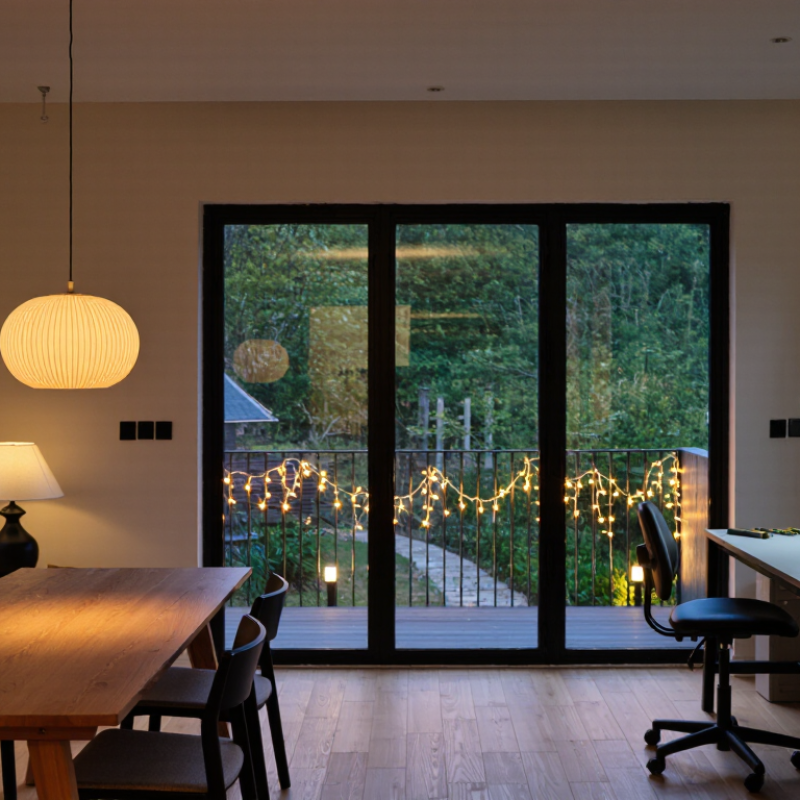
How to Choose the Best Lights Decoration in 2026?
Identify the Purpose and Setting for Your Lights Decoration
Before comparing styles, decide what the lights need to do. Are they helping people see, marking a path, or creating a softer mood? A reading corner needs a steady, comfortable glow aimed at the page. A patio dinner may benefit from warm, lower light that leaves faces visible. Start with function. Decorative lights can look lovely online yet feel harsh in a small room.
Next, examine the setting closely. Measure the area and note nearby outlets, ceilings, railings, and surfaces that may reflect light. In a narrow hallway, compact fixtures usually keep the path clear. Outdoors, check that decorations are rated for local conditions. Indoor lights may not withstand rain or temperature changes. Think about installation, too. A setup that requires awkward cords can become a daily nuisance.
Match brightness and color to the way the space is used, rather than choosing by appearance alone. Soft, warm tones often suit relaxed gatherings, while clearer light helps with tasks. Keep it simple. Try a temporary placement before installing everything, and view it after dark from several spots. I still find that a photo can make a layout seem balanced when it feels cluttered in person. Adjust spacing, dimming, or placement until the light supports the space instead of competing with it.
Start with a tape measure, not a shopping list. Record the room’s length, width, and ceiling height, then sketch doors, windows, and fixed furniture. A 4-by-5-metre room has 20 square metres of floor space. Note where people read, cook, eat, or gather; each activity needs a different level of light. Small details matter. Dark walls and heavy curtains can absorb more light than pale surfaces, so the same fixture may feel weaker in one room.
For a practical estimate, multiply the area you want to light by a target illuminance in lux. For example, 20 square metres at 150 lux calls for about 3,000 lumens of ambient light, spread across the room rather than concentrated in one bright spot. A desk or kitchen counter may need stronger, focused lighting, while a decorative corner can stay softer. Check the fixture’s stated lumens, and allow for shades that block some output. Measure light where it will be used, not only at the centre of the ceiling. That estimate is imperfect. I would adjust after testing one lamp in the actual space, especially if the room has unusually high ceilings or reflective surfaces.
Compare lighting types, styles, and control options before buying. LED bulbs suit most decorative fixtures because they use less energy and last longer than incandescent bulbs. The U.S. Department of Energy reports that LEDs use at least 75% less energy and can last up to 25 times longer. For a reading nook, pair a focused floor lamp with soft ambient light. A pendant can define a dining area, while a small table lamp adds a quieter layer. Match the fixture to the room’s scale, not just its photo. A warm bulb may look inviting on a sample card but feel too dim beside a dark wall.
Style matters, but so does control. Dimmers help adjust brightness for dinner, reading, or winding down. Smart controls can offer schedules and remote adjustment, while a simple wall switch may be easier for guests. Check that bulbs and controls are compatible before purchase; dimming performance can vary. Color temperature also changes a room’s mood, so compare samples in the actual space. The right choice is not always obvious.
Tips: Layer ambient, task, and accent lighting. Try a dimmer in the room first. Small details matter.
Sources: U.S. Department of Energy, “LED Lighting”; U.S. Department of Energy, “Lighting Controls.”
How to Choose the Best Lights Decoration in 2026?
Compare energy use, lifespan, and safety markings before buying. The U.S. Department of Energy reports that LED lighting uses at least 75% less energy and can last up to 25 times longer than incandescent lighting. Actual savings still depend on how many hours the lights run and the size of the display. A timer helps avoid lighting an empty room all night.
Durability is more than a thick-looking cable. Check the product’s stated lifespan, connector seals, and indoor or outdoor rating. For exposed areas, choose lights marked for outdoor use, and keep plugs off wet ground. The CPSC advises checking light strings for damaged wires and following manufacturer instructions. Look for certification to the relevant seasonal-lighting safety standard, such as ANSI/UL 588. Small details matter. A low price is less appealing when a connector loosens after one rainy week.
Tips: Before hanging, plug in the full string and check for flickering, heat, or damaged insulation. Test the timer, too. Turn lights off before sleeping or leaving home. If a cable feels warm, unplug it and investigate rather than assuming it is normal.
Compare typical power use for bulbs producing roughly the same light output (about 800 lumens). Lower energy use and a longer rated life can reduce running costs and replacement frequency.
Durability: Typical rated lifetimes are about 1,000 hours for incandescent bulbs, 8,000–10,000 hours for CFLs, and 15,000–25,000 hours for LEDs. Actual performance varies by product and use.
Safety: Check that the complete light fixture meets the safety requirements applicable in your region (for example, IEC 60598-1 or a recognized local certification). For outdoor decorations, choose a fixture with an IP rating suitable for its exposure to water and dust.
Energy figures are illustrative typical wattages for similar light output, multiplied by 1,000 hours; actual products may differ.
Plan Installation, Seasonal Use, and Ongoing Maintenance
Plan installation before buying. Measure each run, note outlet locations, and sketch where cables will pass. Keep connections clear of doorways, standing water, and sharp roof edges. Check each product’s instructions for indoor or outdoor use. A damp porch needs different protection than a dry living room.
Choose lighting with seasonal use in mind. The U.S. Department of Energy reports that LEDs use at least 75% less energy than incandescent bulbs and can last up to 25 times longer. That can reduce replacement work across repeated seasons.
Use a timer to avoid leaving displays on all night, and label each strand before storage. Small details matter.
Inspect cords, plugs, and sockets before every installation; discard damaged strands rather than patching them. The National Fire Protection Association’s Christmas tree fire report found an average of 160 home fires per year involving trees from 2016 to 2020. These figures do not mean decorative lights caused every fire, but they support careful placement and regular checks.
I still find storage labels easy to skip. Then comes the untangling. Keep lights dry, loosely coiled, and away from heat between seasons.
They use at least 75% less energy and can last up to 25 times longer than incandescent bulbs. Actual savings depend on use.
Match its size to the room, not just a product photo. A pendant can define a dining area; a small table lamp adds a softer layer.
Pair a focused floor lamp with gentle ambient light. Check that the page is bright enough without making the rest of the room harsh.
No. Check compatibility before buying, since dimming performance can vary. A basic wall switch may be easier for guests.
Compare bulbs in the actual room. Wall colors affect how light feels, and a warm bulb may look too dim beside a dark wall.
Check the indoor or outdoor rating, connector seals, and cable condition. Test the full string for flickering, heat, or damaged insulation.
Use a timer so lights do not stay on in an empty room. Turn them off before sleeping or leaving home.
Unplug it and investigate. Do not assume the warmth is normal; I might overlook a small warning otherwise.
Not necessarily. A loose connector after one rainy week can make the savings feel rather small.
Choosing the best Lights Decoration in 2026 starts with understanding its purpose and setting. Consider whether the lights are for everyday ambiance, a special event, or seasonal use, and note the surroundings, available power sources, and desired mood. Measure the area before selecting fixtures, then estimate how much illumination is needed so the result feels balanced rather than too dim or overpowering.
Compare lighting types, styles, brightness levels, and control options to find a combination that suits both the space and your preferences. Check energy use, durability, and relevant safety information, especially for lights used outdoors or for extended periods. Before installation, plan placement and access to power, and consider how the setup will be stored or maintained when not in use. A thoughtful choice can create an attractive, practical display that remains easy to enjoy throughout the year.
