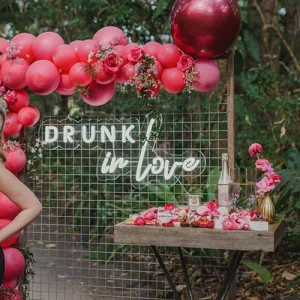
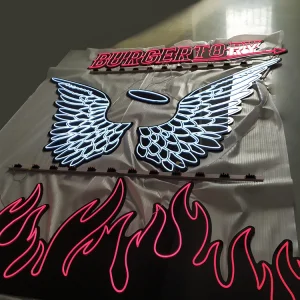
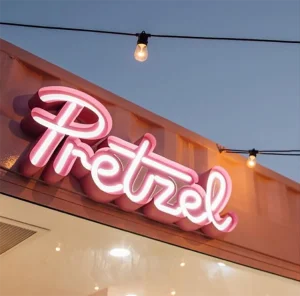
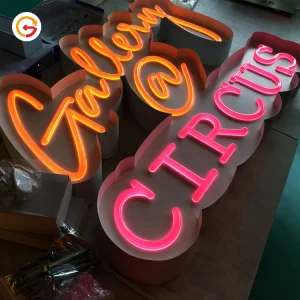
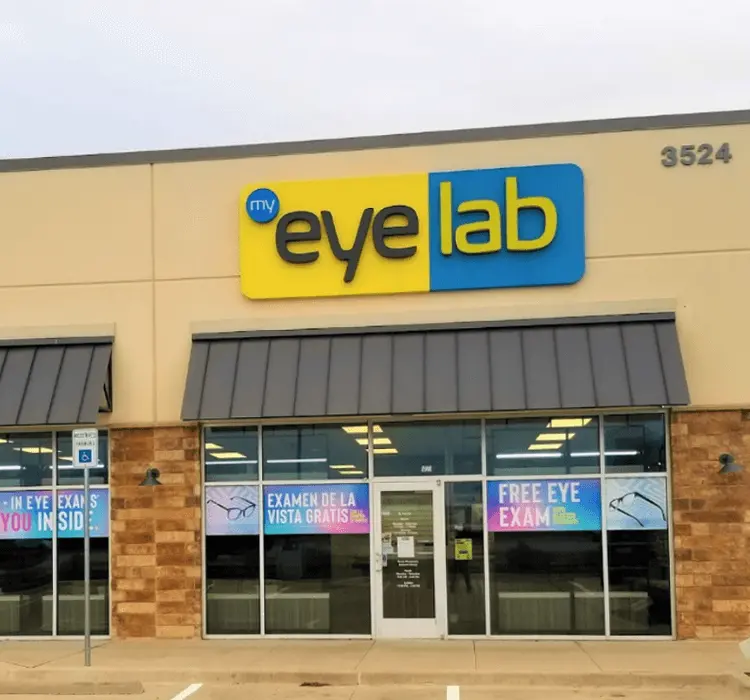
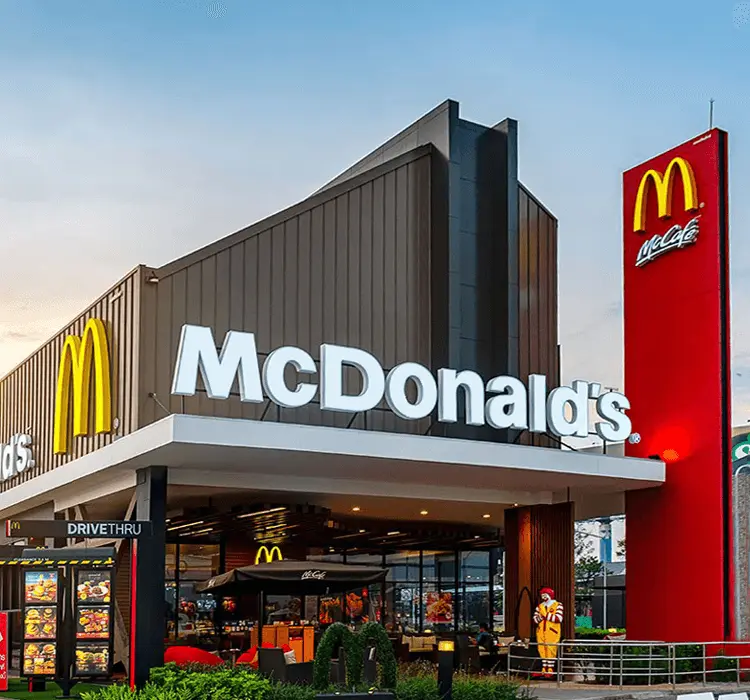
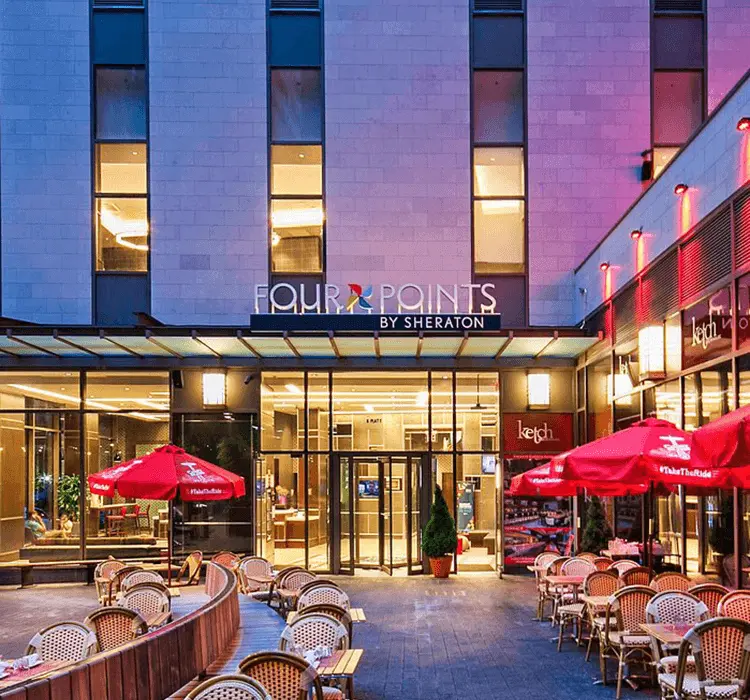
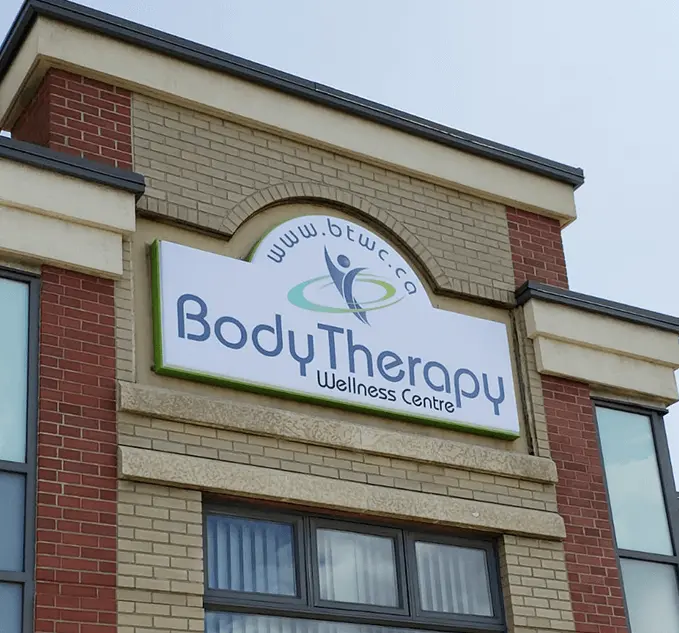
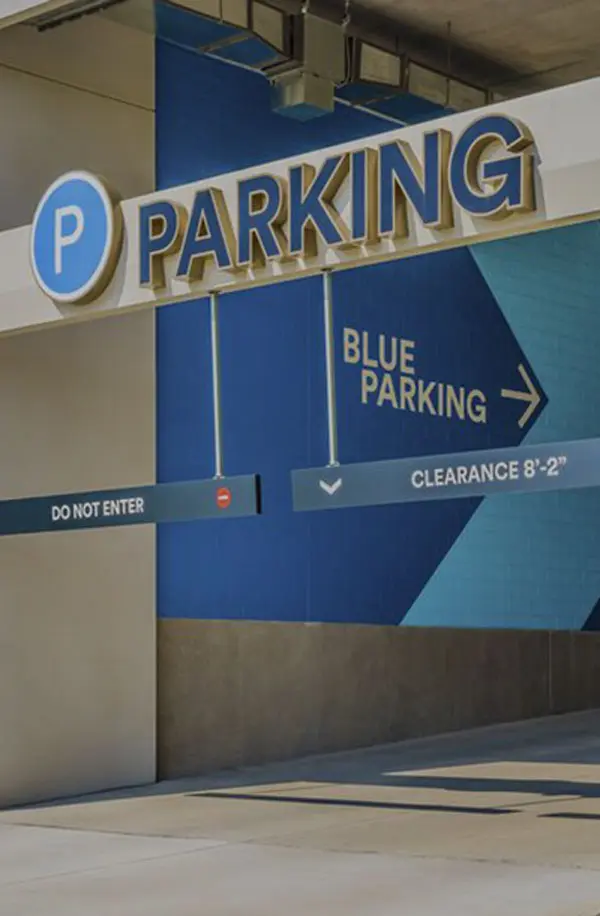
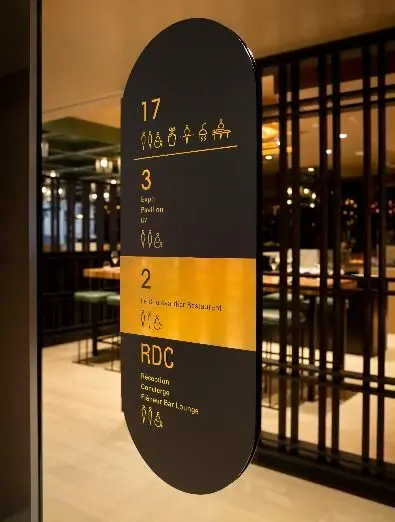
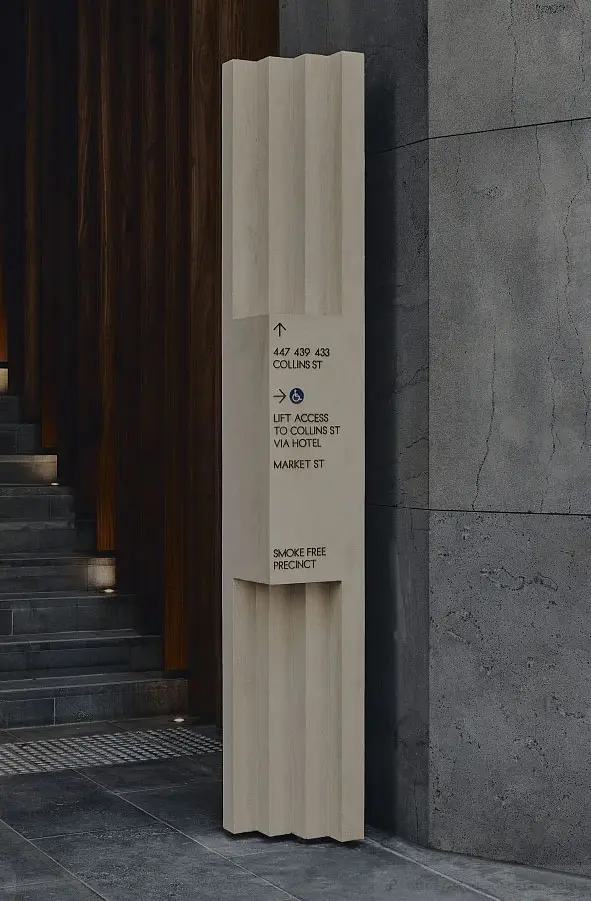
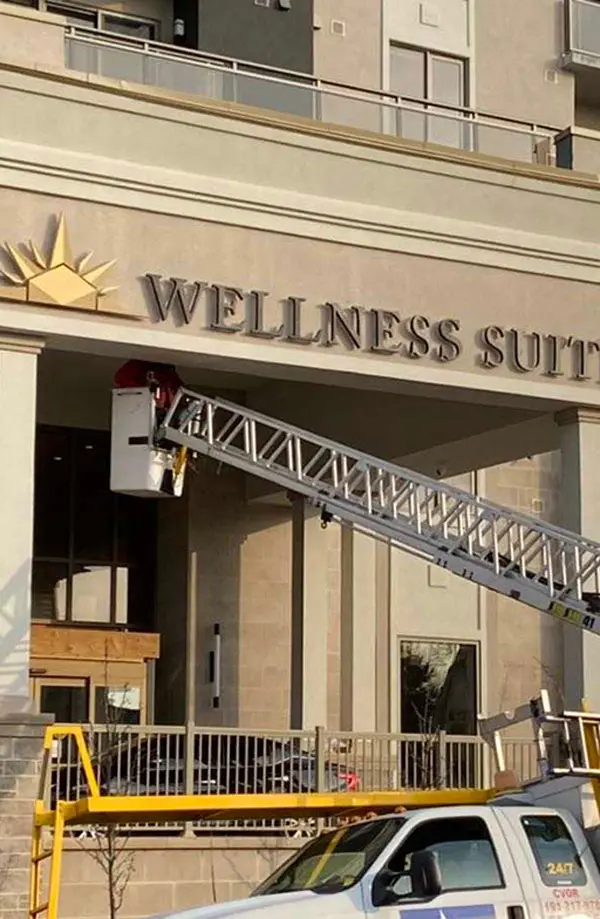
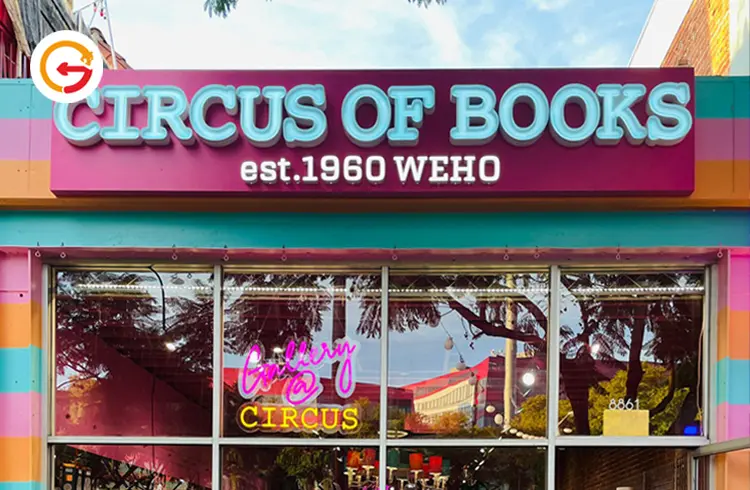
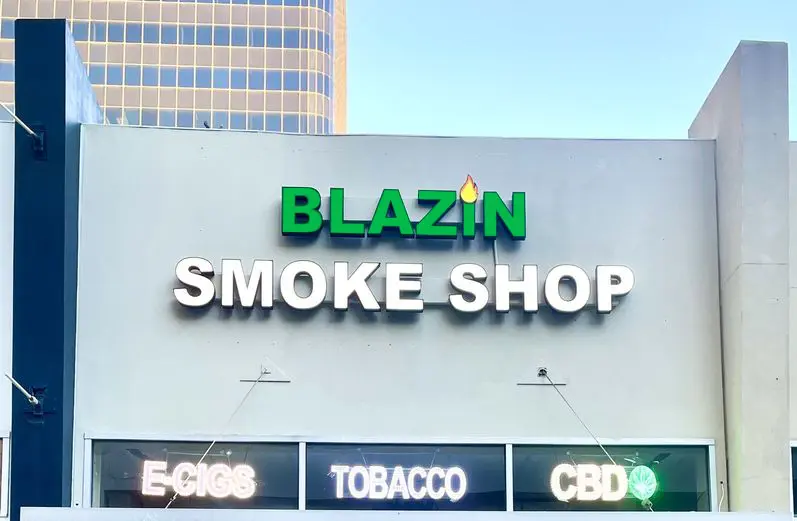
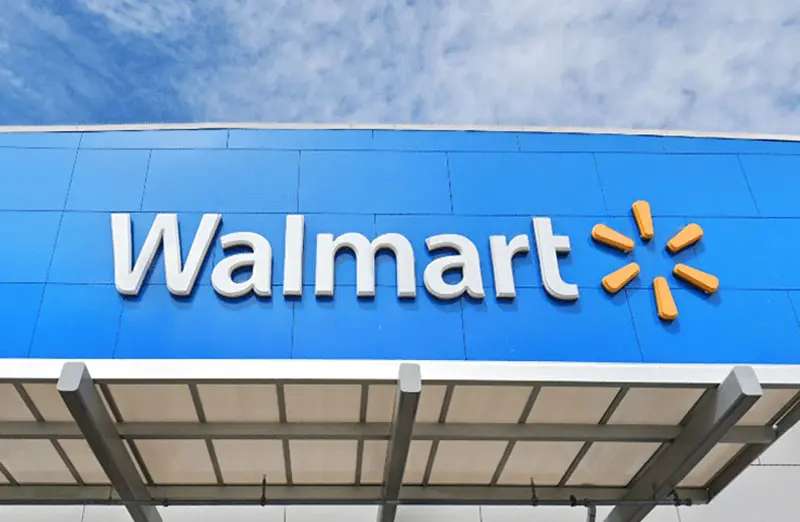
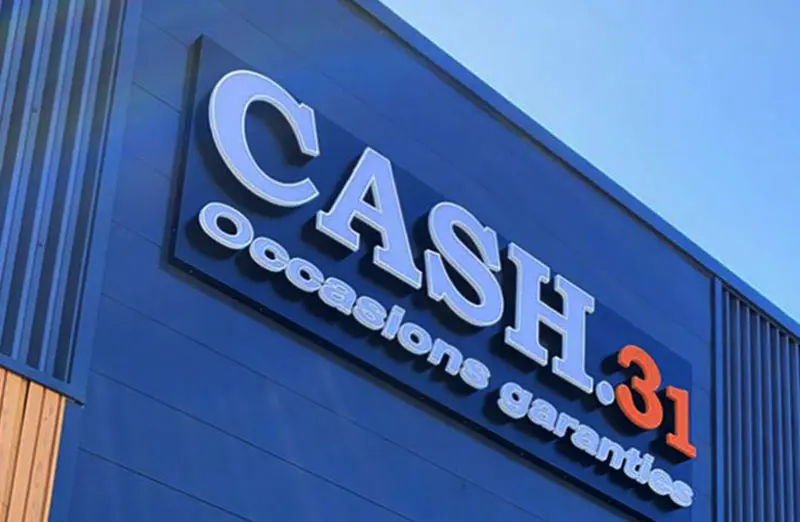
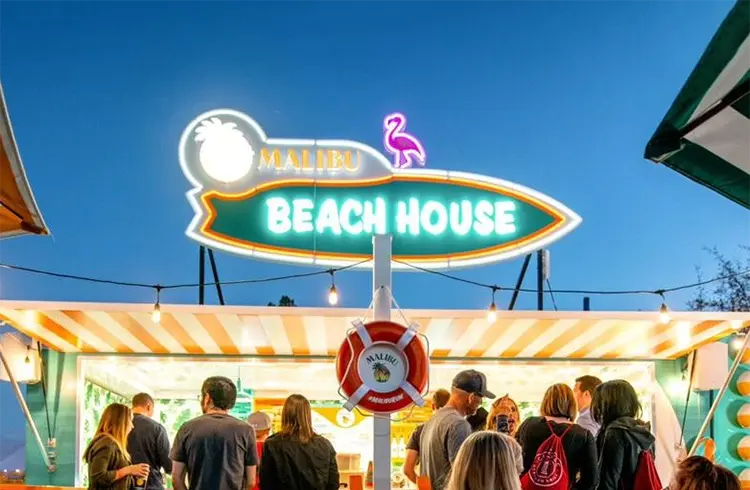
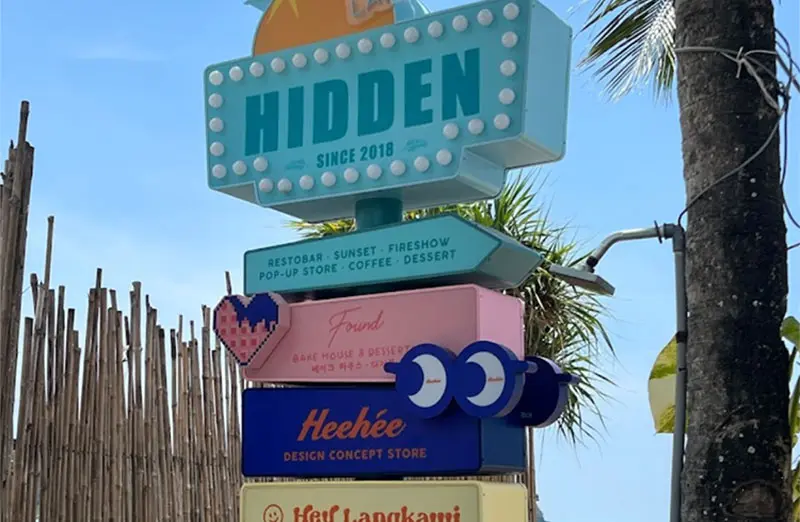
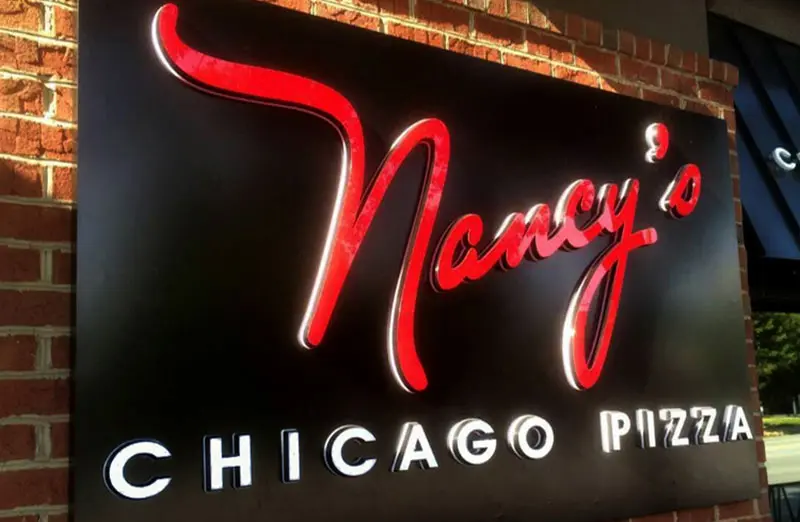
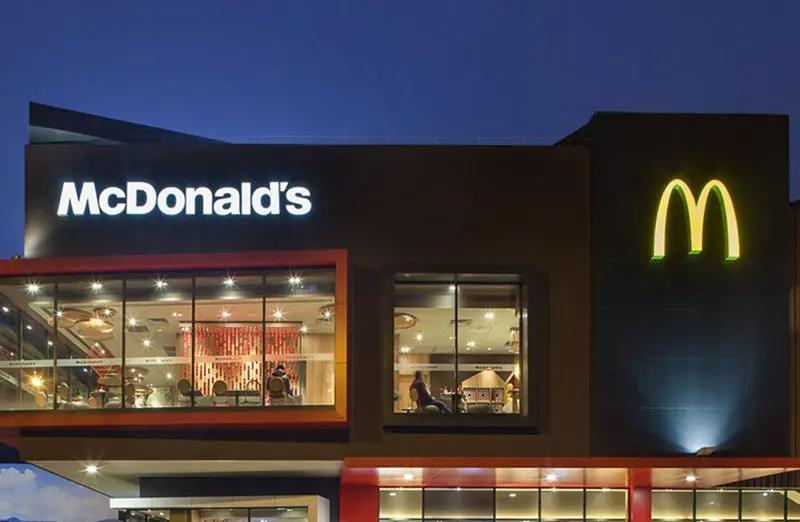
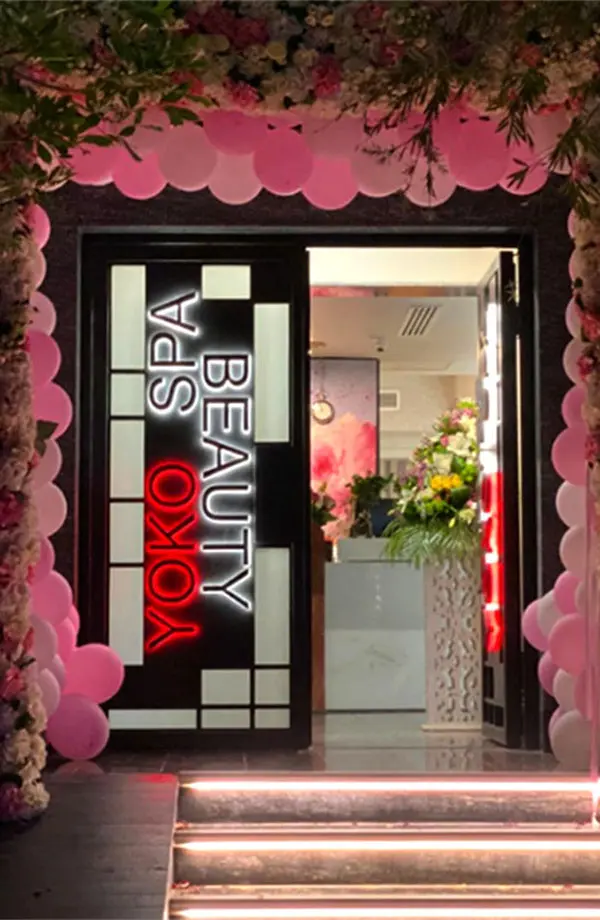
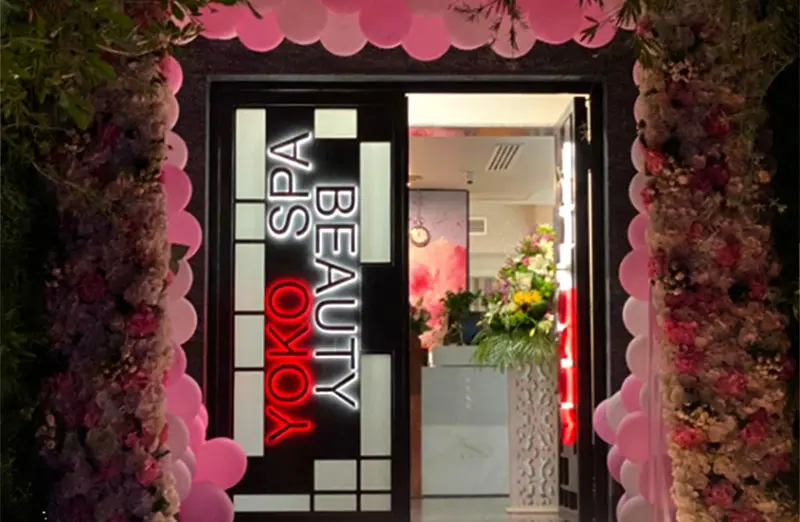
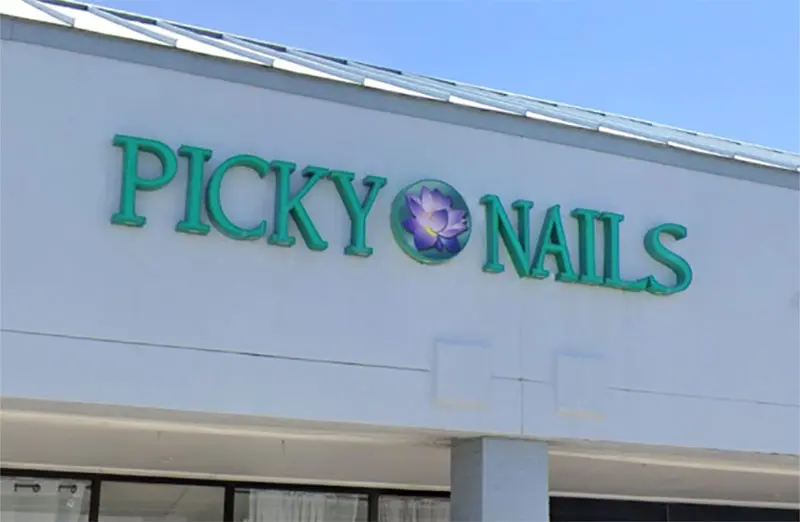
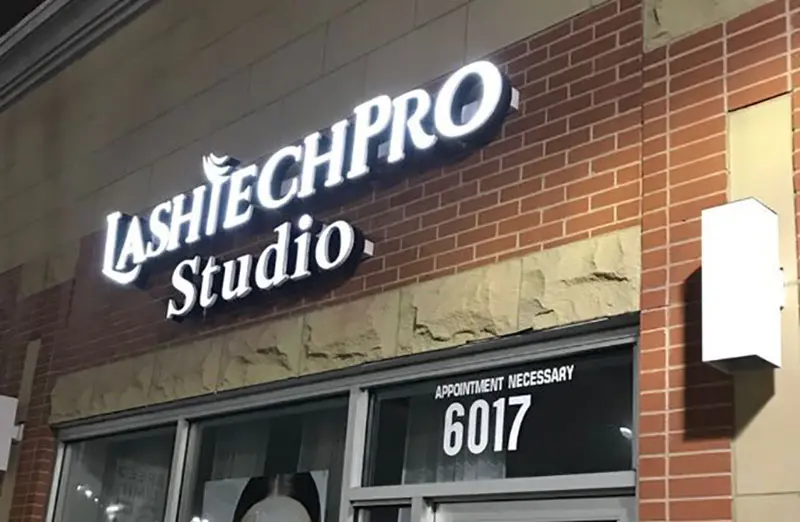
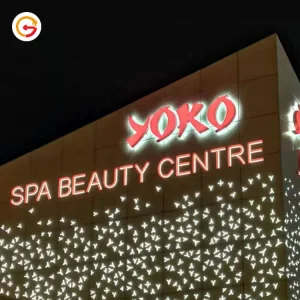
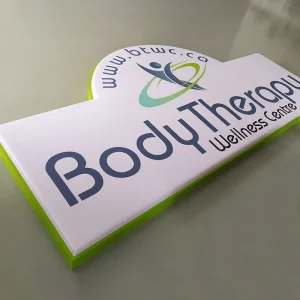
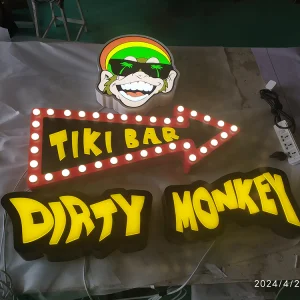
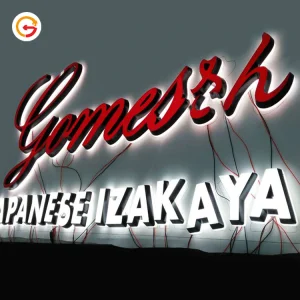
Tokyo’s metropolitan landscape represents the pinnacle of architectural complexity. From the subterranean transportation networks of Otemachi to the dense high-rise office developments of Roppongi and the luminous, neon-drenched facade environments of Shinjuku and Shibuya, the engineering, regulatory, and aesthetic demands placed on exterior architectural signage are unparalleled. This whitepaper analyzes the current commercial realities, technical specifications, compliance pathways, and supply chain strategies required to deploy world-class outdoor signage systems within Japan's capital.
30+
Years of Manufacturing
1. The Commercial and Industrial Neon Landscape of Tokyo
For decades, neon has been synonymous with the visual character of Tokyo. However, traditional high-voltage glass-neon has increasingly transitioned into advanced LED-driven systems. This evolution is driven by two main factors: stringent energy conservation mandates under the Tokyo Metropolitan Government’s Climate Change Strategy and fire safety concerns in dense urban zones.
Modern retail developers in Ginza, Shibuya, and Omotesando are heavily relying on architectural silicone-jacketed flex neon and precision-routed solid acrylic letters. These systems replicate the visual heritage of classic glass neon, but do so with 12V/24V operating systems, reducing power consumption by up to 70% while entirely avoiding the high-voltage fire risks associated with traditional neon electrodes.
Key Insight: The Transition to High-Transmittance PMMA
In Tokyo's premium retail districts, local ward officers strictly control glare and light pollution. Jaguar Sign's premium solid acrylic neon letters employ specialized high-density PMMA from Mitsubishi Chemical, containing UV-blocking stabilizers to ensure uniform diffusion, zero color shift over 50,000 operational hours, and precise compliance with local lumen density thresholds.
2. Regulatory Compliance & Structural Safety (Tokyo Municipal Building Codes)
Deploying exterior signage in Tokyo requires navigating complex structural, electrical, and zoning regulations. The primary regulatory framework is defined by the Building Standards Act of Japan (建築基準法) and the Tokyo Metropolitan Outdoor Advertisement Regulations (東京都屋外広告物条例).
- Seismic Resilience (Seismic Design Category D/E): Signage installed on structural facades must be designed to withstand severe ground accelerations. Exterior signs require rigorous structural computations showing that anchors, brackets, and backing plates can absorb seismic force without detaching.
- Typhoon-Grade Wind Resistance: Under the Japanese Building Code, signs must be calculated for wind loads using the base wind speed (Vo) defined for the Tokyo region—typically 38 meters per second—amplified by height coefficients (up to 60m/s for high-rise installations). Engineering documentation must verify structural calculations using marine-grade SUS304 or SUS316 stainless steel framework to resist corrosion from coastal moisture.
- Electrical and Material Safety: In Japan, electrical items must meet localized safety benchmarks. Our factory products comply with global standards like CE, UL, and RoHS, ensuring compatibility with municipal testing protocols.
3. Global Sourcing Strategies: Sourcing from Chinese Factories for Tokyo Projects
Global architectural projects frequently adopt a hybrid sourcing methodology: procurement and precision fabrication at a dedicated, high-scale Chinese facility, followed by localized engineering verification and installation by Japanese site contractors. This framework offers significant advantages:
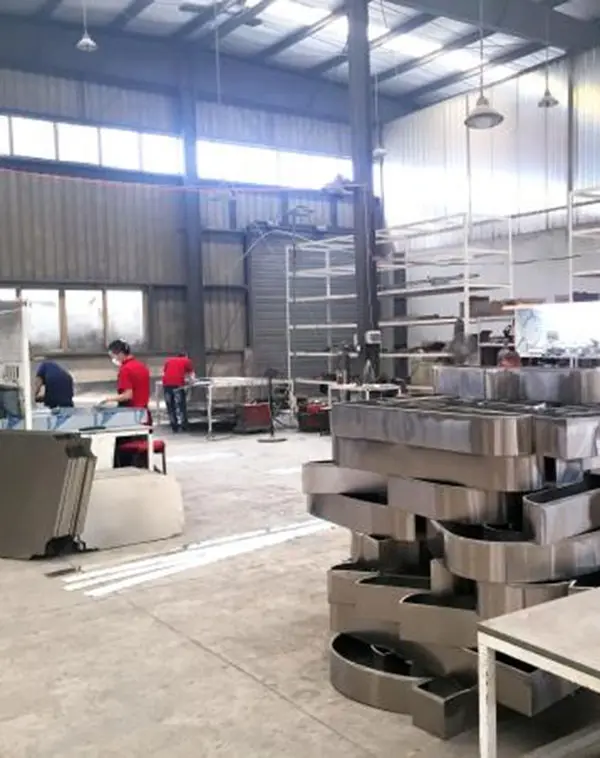
Industrial Scale and Precision: China-based manufacturers like Jaguar Sign operate highly specialized facilities equipped with advanced CNC routing machinery, robotic laser welding systems, and class-10,000 dust-free painting clean rooms. This scale of production guarantees exceptional consistency, which is difficult for localized boutique signage shops to match at competitive prices.
Technical and Engineering Alignments: We collaborate closely with international project engineers, providing 3D CAD blueprints, structural calculations, and material data sheets. This coordination ensures that when custom-engineered signs arrive in Tokyo, they assemble correctly with the structural anchorages prepared on-site.
4. Corporate Procurement & Premium Specifications
For enterprise procurement managers managing hotel developments, office high-rises, or flagship stores, specific material grades are critical for long-term ROI:
- Metal Substrates: SUS304 or SUS316 stainless steel with a minimum thickness of 1.5mm to prevent warp and weather wear. Surface finishes options include mirror-polished, vertical hairline brushed, or electroplated titanium.
- Coatings: Fluorocarbon (PVDF) or AkzoNobel powder coatings, which provide exceptional UV protection against Tokyo's summer sun.
- Light Source: High-CRI (Color Rendering Index > 85) LED modules powered by globally certified drivers, such as Mean Well, containing built-in overcurrent and overtemperature protections.