
Modern Biophilic Design & The Artificial Plants Market
An Industry Whitepaper on Global Sourcing Trends, Technology Upgrades, and Architectural Branding Solutions.
1. Introduction to the Biophilic Signage Paradigm
In modern architecture, corporate landscape design, and experiential retail, the merging of greenery with signage has shifted from a novelty to an essential design standard. Biophilic design—the practice of incorporating nature into built environments—has been proven to increase productivity, lower stress, and boost customer foot traffic by up to 15%. However, installing and maintaining live plants in interior commercial spaces presents substantial challenges: high maintenance costs, persistent irrigation needs, soil pest management, and complex structural loading requirements.
This is where custom artificial plants and integrated signage come into play. By pairing heavy-duty, ultra-realistic faux botanical elements with state-of-the-art corporate signage, modern architects and retail developers can create stunning visual installations that last for years without maintenance. As a premier custom artificial plants manufacturer and supplier, we lead the industry by providing turn-key, customized botanical systems designed specifically for commercial and industrial use.
2. Global Procurement Needs & Real-World Demands
Corporate procurement managers, visual merchandising directors, and global construction contractors face unique challenges when sourcing faux botanical elements and directional signage:
UV Resistance & Outdoors Durability
Outdoor settings subject faux foliage to solar radiation, which degrades standard plastics. Standard artificial plants fade, turn blue or white, and become brittle within months. Premium sourcing requires commercial-grade UV-inhibiting chemicals infused directly into the polyethylene raw materials during production. This guarantees colorfastness for 3 to 5 years under direct UV exposure.
Fire-Retardant and Building Code Compliance
Interior commercial spaces, such as airports, hotels, and shopping malls, are subject to strict fire safety building codes. Standard plastics are highly flammable and produce toxic smoke. Commercial-grade artificial plants must feature built-in fire-retardant properties, achieving certifications such as EN 13501-1 Class B or ASTM E84 Class A, to ensure compliance and occupant safety.
True-to-Life Realism & Customization
High-end hospitality brands and luxury retail stores refuse to display cheap, plastic-looking greenery. Advanced sourcing demands 3D-molded leaf shapes, varied color gradations, and textured trunks that mimic actual plant species, allowing seamless integration with bespoke architectural designs.
3. China Factory 4.0: Supply Chain Resilience, Scalability & Advanced R&D
As a global supply leader, our manufacturing facilities utilize Factory 4.0 automation. Our infrastructure combines massive raw-material sourcing advantages with advanced digital design systems (CAD, SolidWorks, and 3D printing for fast prototyping). Our ISO9001 and ISO14001 certifications ensure that we produce up to 500,000 meters of premium custom green wall systems monthly while maintaining strict environmental standards.
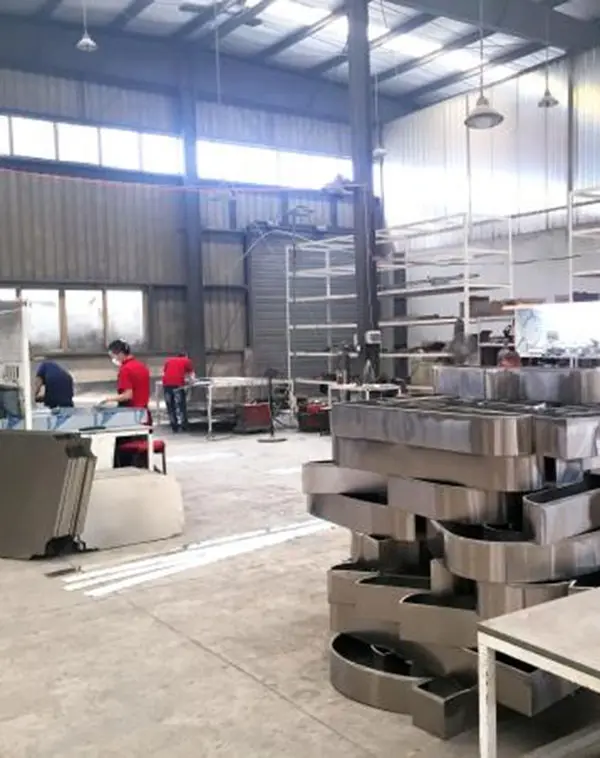
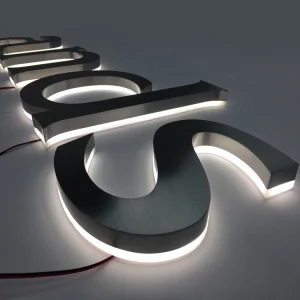
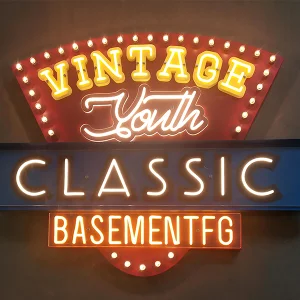
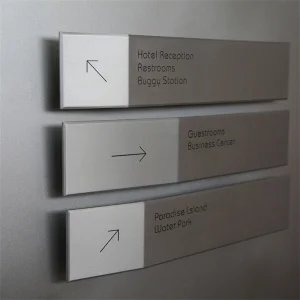
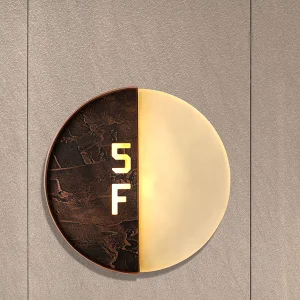
With integrated operations that include metal fabrication, CNC routing, resin injection molding, and LED engineering, we handle all parts of production under one roof. Our customers no longer need to source botanical elements from one supplier and illuminated signage from another. We manufacture both, ensuring perfect structural alignment, balanced weight distribution, and matching electrical configurations.