
1 / 5

In today's competitive business landscape, it is crucial to create a strong brand image and enhance visibility to attract customers. One effective way of achieving this is through the use of facade signs. Facade signs are a type of business signage system that is mounted on the exterior of a building to promote the brand and provide information about the business. In this article, we will explore the benefits and features of facade signs and how they can help businesses improve their visibility and branding.
Facade signs are highly visible and can be seen from a distance. This makes them an effective tool for attracting potential customers and improving business visibility.
Compared to other forms of advertising, such as television or print ads, facade signs offer an extremely cost-effective way to promote your brand continuous-round-the-clock.
They can be customized to suit the specific needs of a business. They come in different shapes, sizes, and materials, allowing businesses to create a unique look that reflects their brand identity.
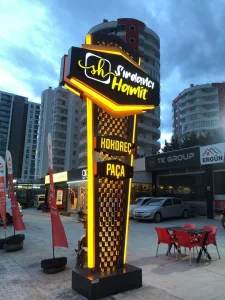
Facade signs can also be illuminated, making them visible at night and enhancing their brand impact substantially.
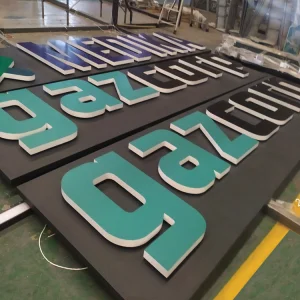
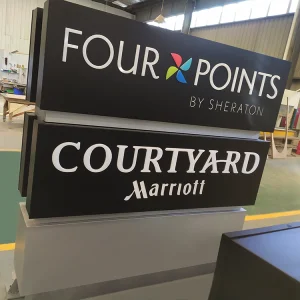
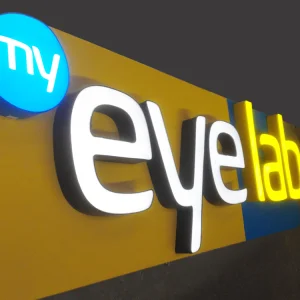
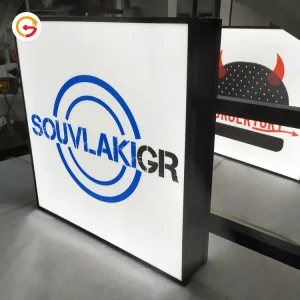
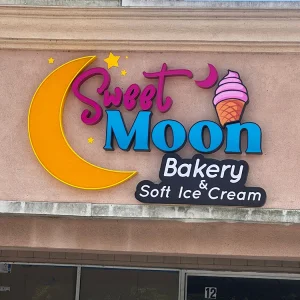
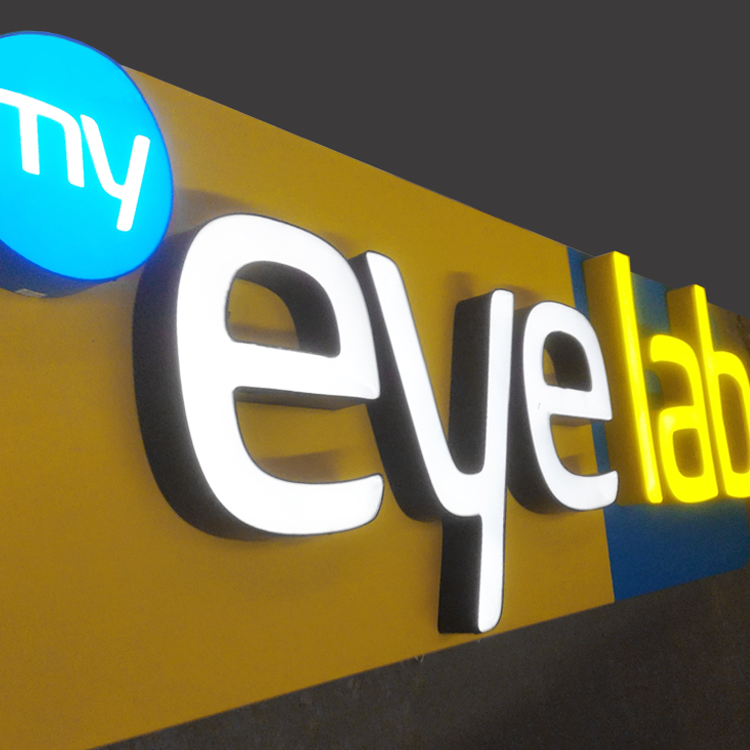
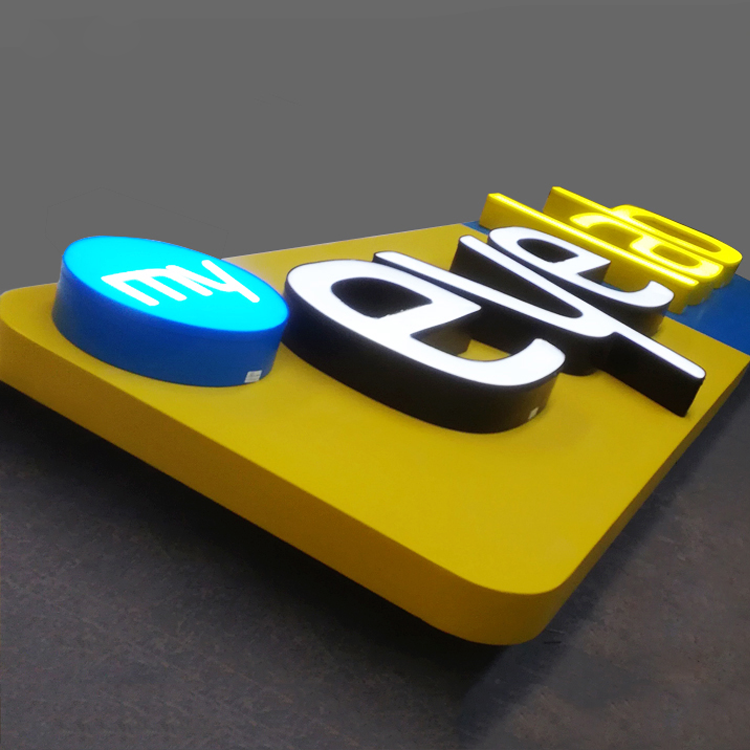
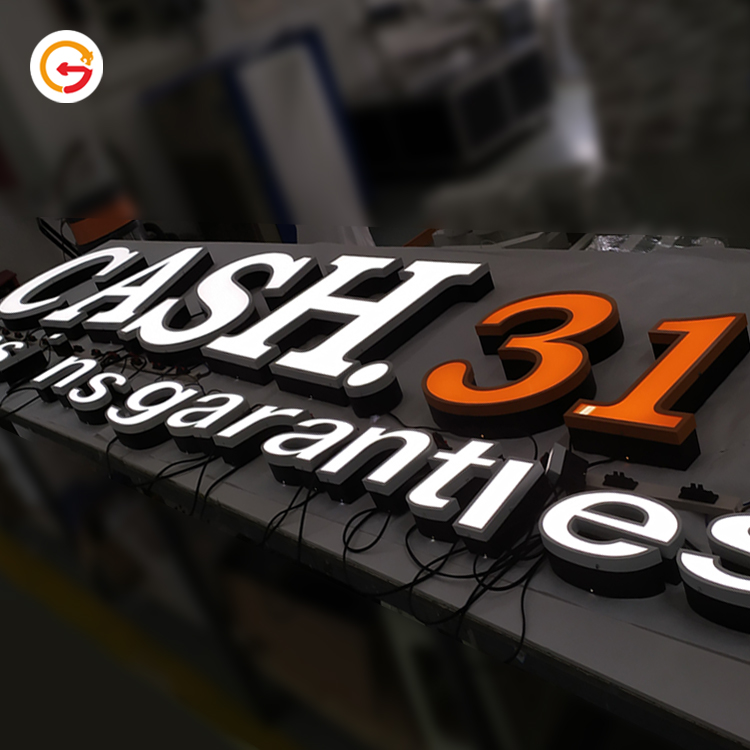
Facade signs come in various types, including channel letters, box signs, and blade signs. Channel letters are three-dimensional letters that are illuminated from the inside. They are commonly used in retail stores and restaurants. Box signs are flat signs that are illuminated from behind. They are commonly used in shopping centers and office buildings. Blade signs are mounted perpendicular to the building and are commonly used in historic districts and pedestrian areas.
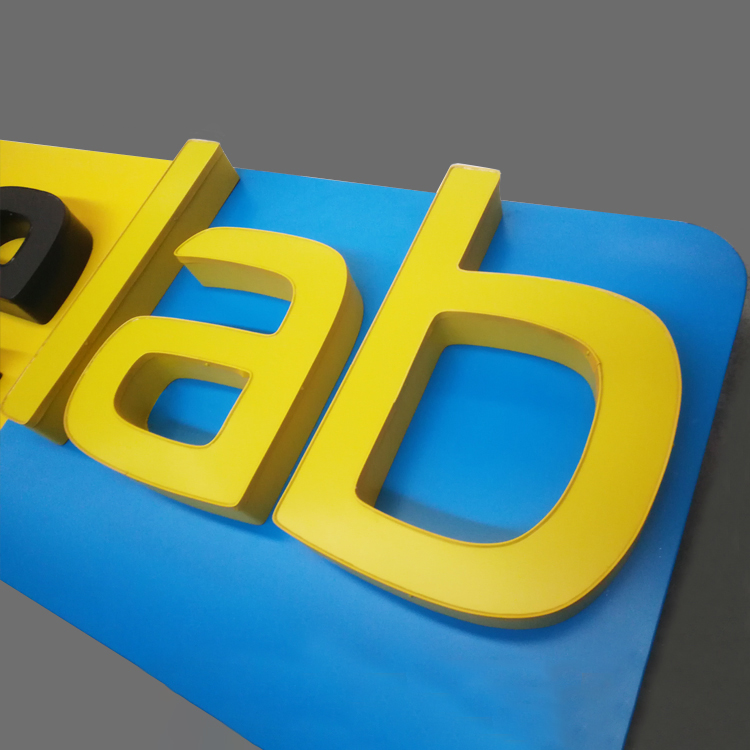
Facade signs can also be made from different materials, such as metal, acrylic, and vinyl. Metal signs are durable and long-lasting, making them ideal for outdoor use. Acrylic signs are lightweight and versatile, allowing businesses to create unique designs. Vinyl signs are cost-effective and easy to install, making them ideal for temporary signage.


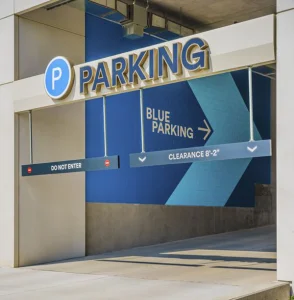
Facade signs have a wide range of applications across various industries, including retail, hospitality, healthcare, and education. They can be used to display the business name, logo, hours of operation, and other relevant information. Facade signs are also used to indicate the location of the business and attract potential customers.
In the retail industry, facade signs are used to create a distinctive brand identity and attract customers to the store. They can be used to display promotional messages and highlight new products or services. In the hospitality industry, facade signs are used to create a welcoming atmosphere and guide guests to the entrance of the hotel or restaurant.
In conclusion, facade signs are an effective tool for improving business visibility and branding. They come in various types and materials, allowing businesses to create a unique look that reflects their brand identity. Facade signs are highly visible and cost-effective compared to other forms of advertising. They have a wide range of applications across various industries, making them a valuable investment for any business looking to improve their visibility and attract more customers.
A facade sign is a business signage system mounted on the exterior of a building. Its primary purpose is to promote a brand, indicate the business location, and provide key informational details to passersby.
They offer high long-distance visibility, are highly cost-effective compared to traditional print/TV media, and can be customized to match a brand's specific identity. Adding illumination also ensures 24/7 visibility.
Common types include three-dimensional channel letters (internally illuminated), flat box signs (illuminated from behind), and blade signs (mounted perpendicular to the building structure).
They are built using metal for durability and long-term outdoor usage, acrylic for lightweight and intricate designs, or vinyl for easy installation and cost-effective temporary displays.
A wide array of industries benefit from facade signs, including retail shops, hospitality venues (hotels & restaurants), healthcare centers, and educational institutions, to guide clients and build visual presence.