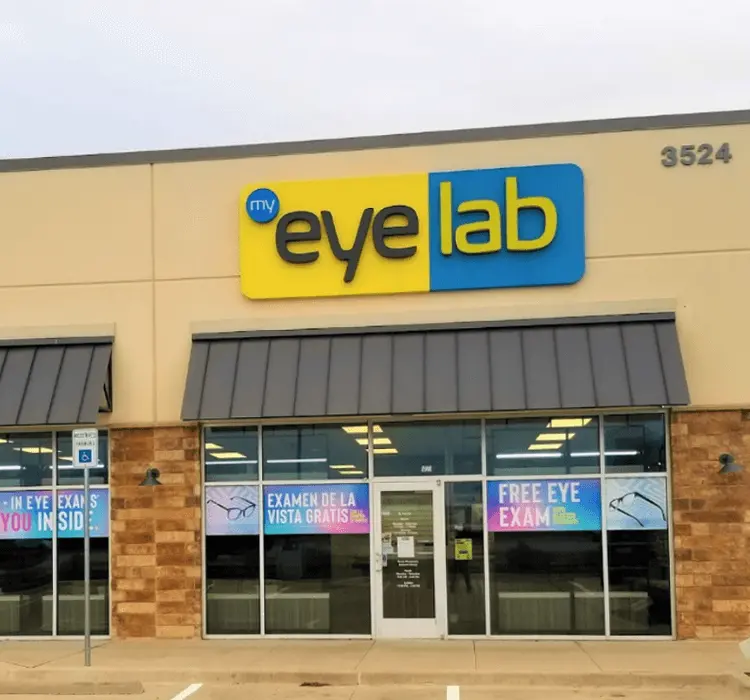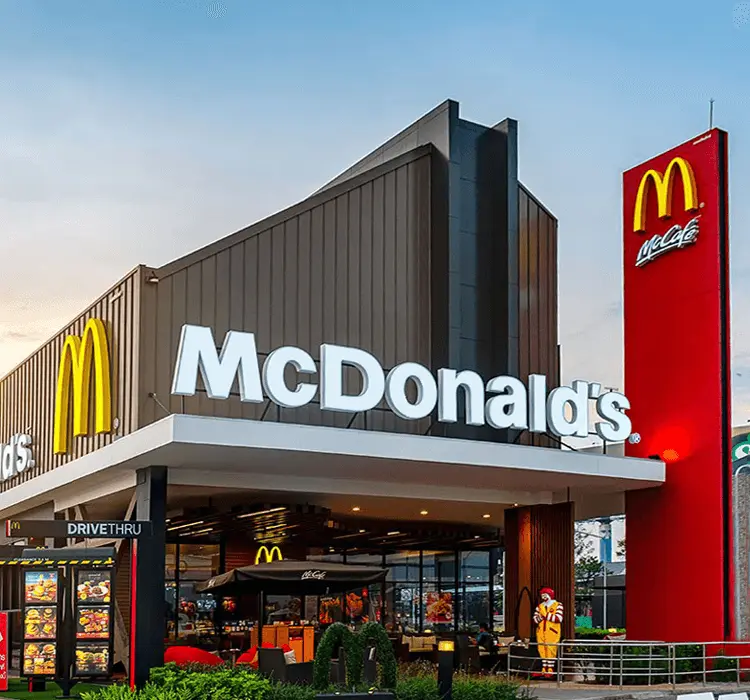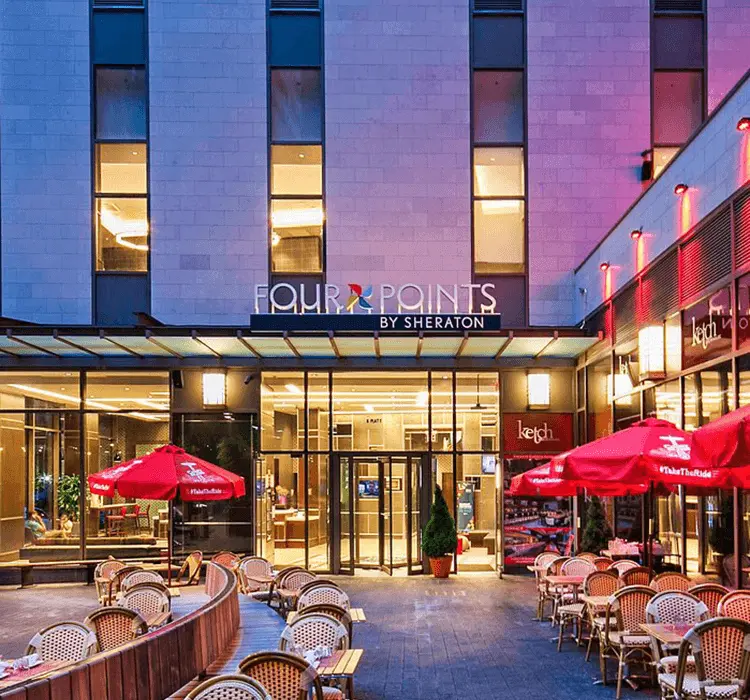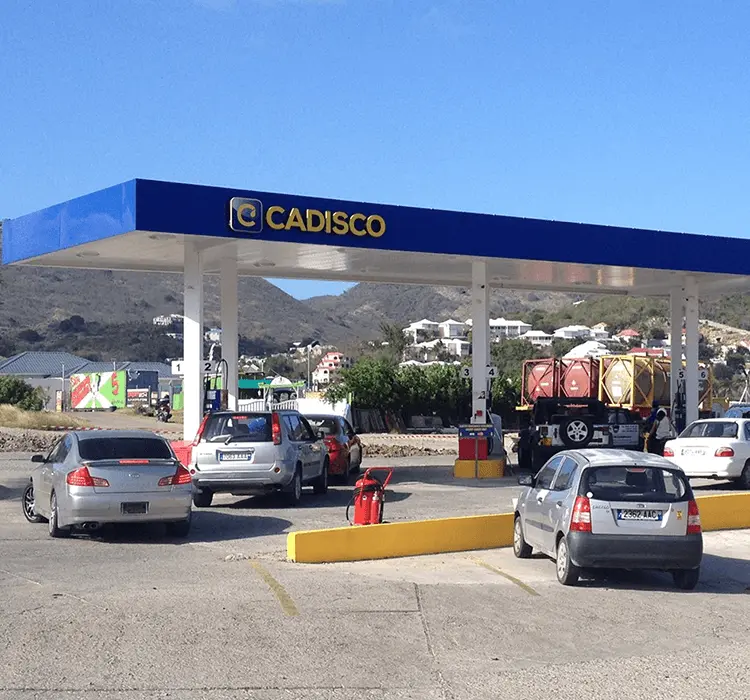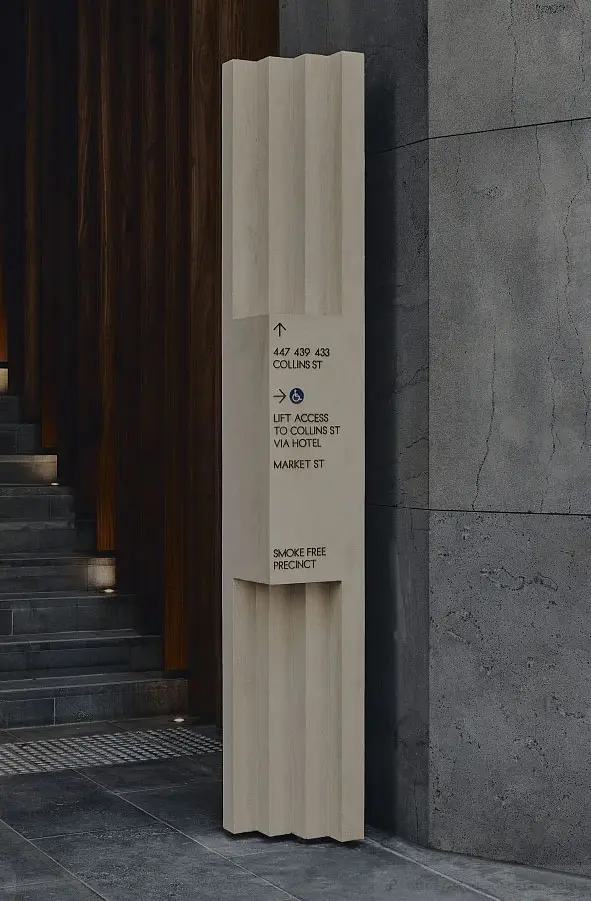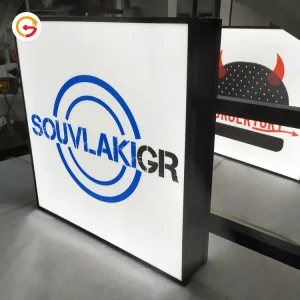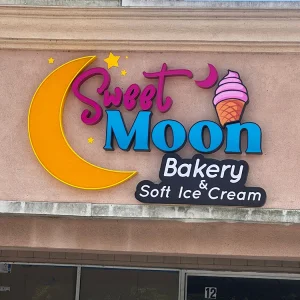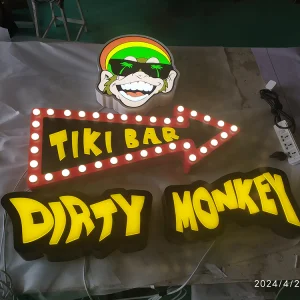
Hanoi Market Analysis & Global Signage Industry Outlook
1. The Hanoi Architectural Boom & Local Signage Landscape
Hanoi, the political and cultural capital of Vietnam, is witnessing an unprecedented architectural transformation. Driven by master planning initiatives, massive foreign direct investment (FDI) inflows, and rapid urbanization, the skyline of Hanoi is redefining itself from the Red River Delta outward. Notable megaprojects such as the expansion of West Lake (Tay Ho district), the smart city projects in Dong Anh, and the dense commercial developments across Cau Giay and Nam Tu Liem have spurred an urgent, high-specification demand for exterior architectural signage.
However, the local environmental reality presents extreme challenges for outdoor visual elements. Hanoi experiences a humid subtropical climate characterized by intensely wet, hot monsoons, high ultraviolet exposure during peak summer periods, and severe typhoons bringing localized wind pressures up to 120 km/h. Standard signage solutions fail prematurely under these conditions—experiencing LED driver overheating, acrylic yellowing, and rapid metal corrosion. Jaguar Sign addresses these microclimatic pain points by deploying high-durability marine-grade stainless steels (SUS316/304), structural wind load engineering, and UV-stabilized polycarbonate materials specifically configured for Hanoi's urban environments.
Microclimatic Engineering for Southeast Asia
Due to Hanoi’s high average humidity (often exceeding 85%) and acid rain precipitation, all exterior signage produced by Jaguar Sign for the northern Vietnam market incorporates IP68 dust and water protection, specialized drainage slots inside high-rise letters, and marine-grade anti-oxidation coatings that resist salt-spray and industrial pollutants.
2. Global Industrial Realities & Regulatory Compliance
In the global market, architectural signage is no longer viewed as a superficial decorative element but as a key extension of building envelope systems. Modern structural engineering requirements mandate that exterior facades and pylon signs comply with regional safety, seismic, and energy codes. Across European, North American, and modern Asian metropolitan spaces, signage systems must meet strict regulatory thresholds.
Jaguar Sign’s manufacturing processes are aligned with these global guidelines. Holding full ISO9001 and ISO14001 certifications, our production floors guarantee total quality traceabilities. Every illumination module is certified to CE, UL, and RoHS directives, utilizing energy-efficient, low-voltage power networks that optimize power factor corrections. For Hanoi real estate developers aiming for international building ratings such as LEED v4 or LOTUS (Vietnam Green Building Council), Jaguar Sign’s eco-conscious material sourcing and low-emissions processing directly support green building certification efforts.
3. Technology Roadmap and Future Trends
The signage sector is moving rapidly towards smart, interactive, and environmentally responsive systems. Key trends reshaping the industry include:
- IoT-Enabled Dynamic Illumination: Integration of smart ambient light sensors that automatically modulate sign brightness to balance energy efficiency and readability, reducing local grid pressure in cities like Hanoi.
- Sustainable Circular Materials: Transitioning from conventional acrylics to biodegradable, recycled polymer substrates and zero-VOC structural adhesives.
- Advanced Wind Load & FEA Modeling: Utilizing Finite Element Analysis (FEA) to simulate aerodynamic behavior on high-rise channel letters and heavy-duty pylon signs, reducing structural weight while maximizing physical safety during extreme monsoon weather.