Room number signs are seemingly simple items, but they play a crucial role in any building’s functionality and aesthetics. Whether you’re managing a corporate office, a bustling hotel, a school hallway, or even an apartment building, clear and attractive room number signs are essential for easy navigation and a professional appearance.
Common Types of Room Number Signs
The primary function of a room number sign is to clearly identify a specific room or area. Here's a breakdown of the most common types:
-
1
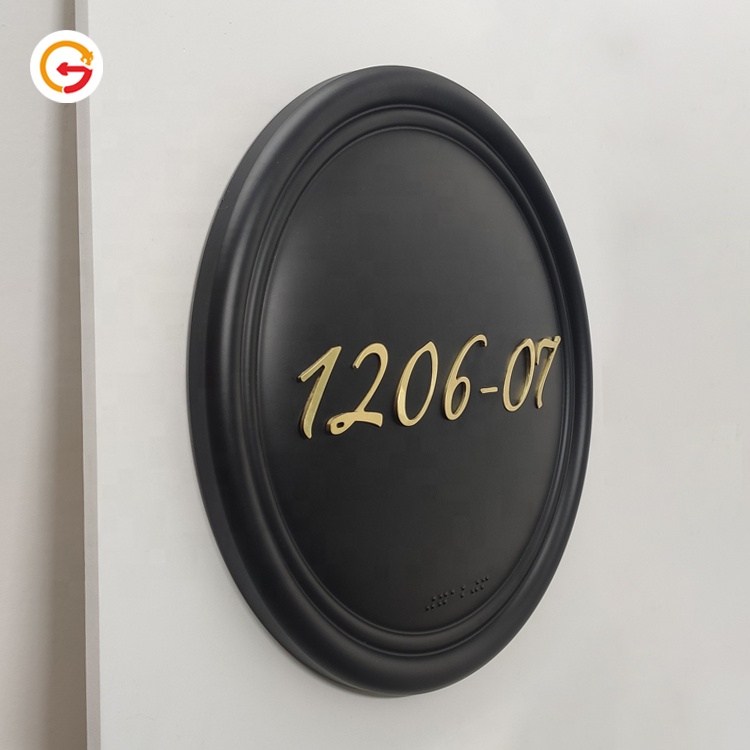
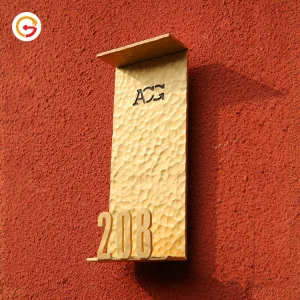
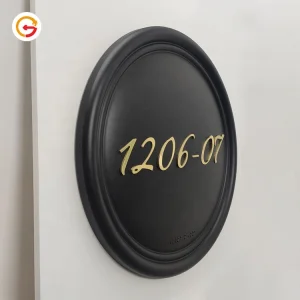
Standard Room Number Signs: These are the workhorses of the signage world. They typically display the room number in a clear, concise font and are available in various sizes and materials. Standard signs can be mounted directly on the door or wall.
-
2
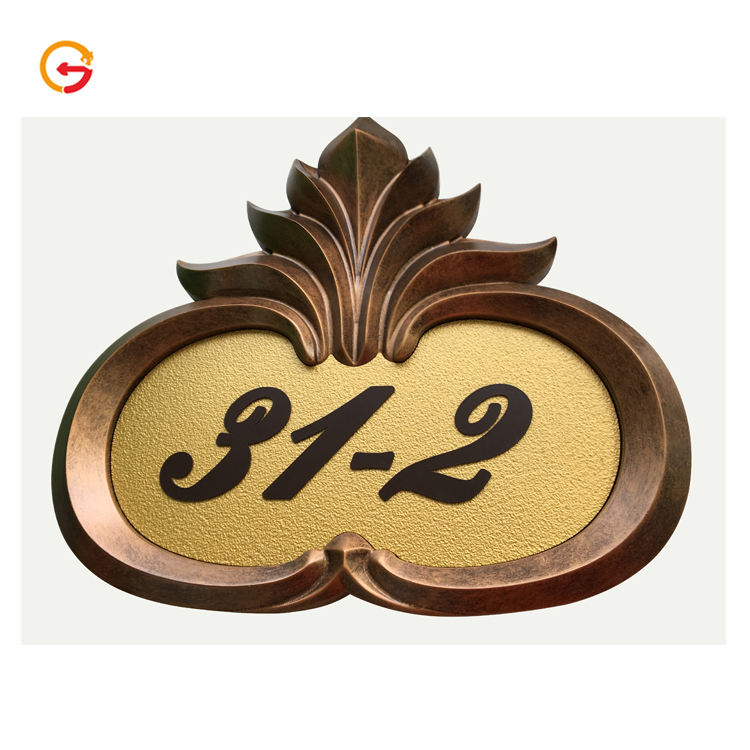
Room Number Signs with Name Inserts: These signs offer the additional functionality of displaying the room's occupant's name or the department housed within. This is particularly useful in office buildings or multi-tenant spaces. Many name insert signs feature interchangeable inserts, allowing for easy updates when occupants change.
-
3
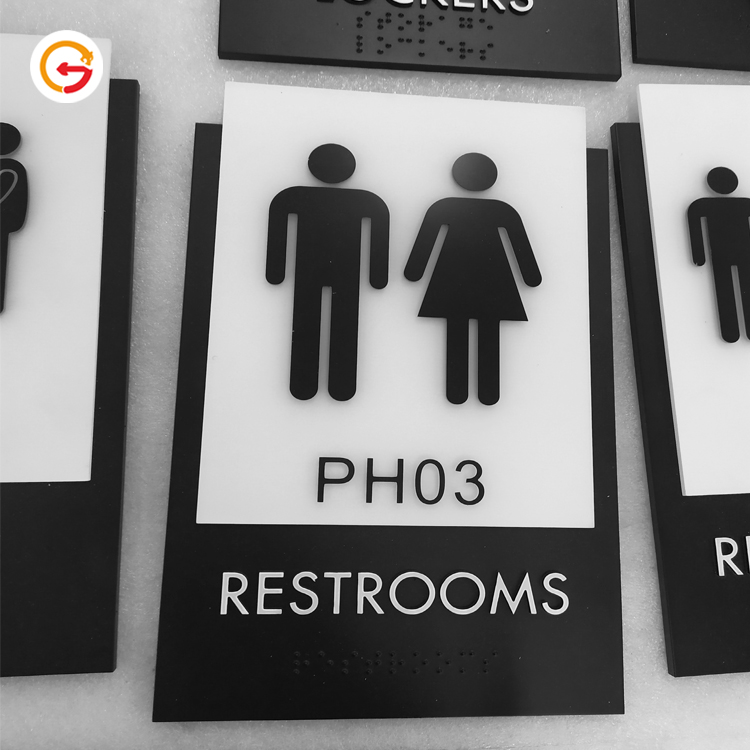
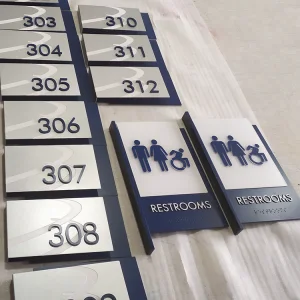
ADA Compliant Room Number Signs: The Americans with Disabilities Act (ADA) ensures equal access for people with disabilities. ADA-compliant room number signs incorporate braille beneath the room number, allowing visually impaired individuals to identify the space by touch.
Key Factors When Selecting Room Number Signs
Beyond functionality and material, several other factors come into play when selecting a room number sign:
-
✓
Size: The size of the sign should be appropriate for the size of the door and the visibility you require. For example, larger signs might be needed for wide hallways or doors located far from approaching visitors.
-
✓
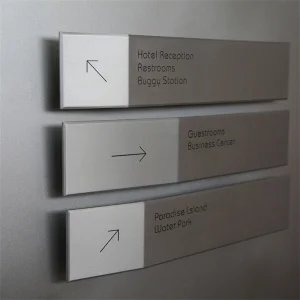
Font and Text Style: Ensure the font is clear, easy to read, and complements the overall signage scheme of the building.
-
✓
Color: Consider the existing color scheme of your building's décor when selecting a sign color. High-contrast color combinations, such as black text on a white background, ensure optimal readability.
-
✓
Mounting: Room number signs can be mounted directly on the door or wall using screws, adhesive tape, or a combination of both. The mounting method should be chosen based on the sign's material and weight.
-
✓
Budget: Room number signs range in price depending on the material, size, and features. Determine your budget beforehand to narrow down your options.
A Sign of You: Customization Options for Room Number Signs
The Right Room Number Sign Makes a Difference
Room number signs are more than just a way to identify rooms; they contribute to the overall functionality, accessibility, and aesthetics of your space. By considering the factors outlined above, you can select the perfect room number signs that enhance your building.
Material Options and Durability
The material you choose for your room number sign will impact its durability, aesthetics, and cost. Here are some popular options:
-
■
Acrylic: A versatile and cost-effective option, acrylic signs offer a clean, modern look and come in various colors and thicknesses. They are ideal for indoor applications.
-
■
Metal: Metal signs, particularly those made from aluminum or stainless steel, exude a professional and sophisticated air. They are highly durable and weatherproof, making them suitable for both indoor and outdoor use.
-
■
Engraved Plastic: Engraved plastic signs offer a balance between affordability and durability. The text is etched directly into the plastic, creating a crisp and permanent display.
-
■
Wood: Wood signs add a touch of warmth and elegance to any space. They are a good choice for offices or buildings with a traditional décor.
Ready to Get Your Free Design ?
What are the most common types of room number signs?
The most common types are Standard Room Number Signs, Room Number Signs with Name Inserts (which support interchangeable names/departments), and ADA Compliant Room Number Signs (which include braille).
Why are ADA compliant room number signs important?
ADA compliant signs incorporate braille beneath the numbers to ensure accessibility, allowing visually impaired individuals to easily locate and identify spaces by touch.
What materials are available for room number signs?
Popular materials include versatile and modern Acrylic, highly durable and weatherproof Metal (aluminum/stainless steel), cost-effective Engraved Plastic, and elegant Wood suitable for traditional décor.
How do I choose the correct size for a room number sign?
The size should correspond to your door dimensions and visibility requirements. Wide hallways or doors viewed from a distance generally require larger signs for clear readability.
How are room number signs typically mounted?
They can be mounted directly onto walls or doors using screws, adhesive tape, or a combination of both, depending on the weight and material of the sign.
How does color selection impact readability?
High-contrast color combinations, such as black text on a white background, provide optimal legibility. It is also important to choose colors that complement your building's existing interior décor.