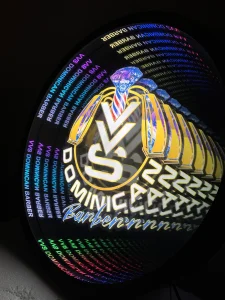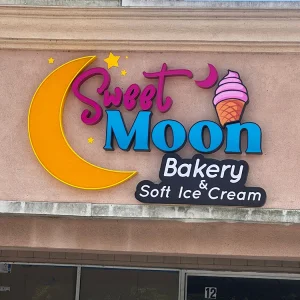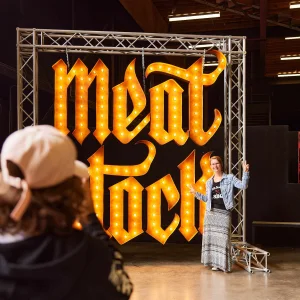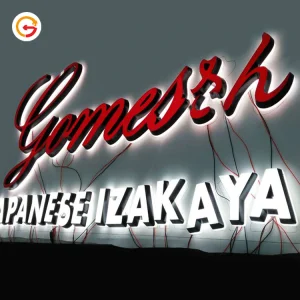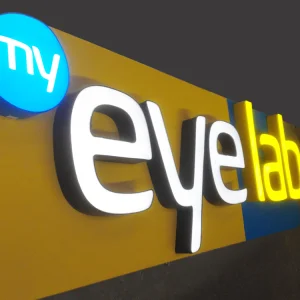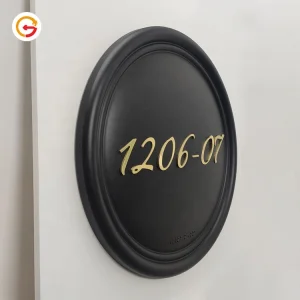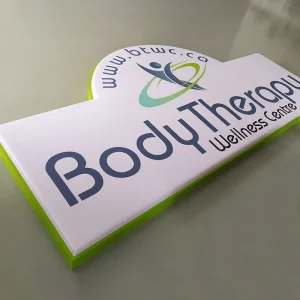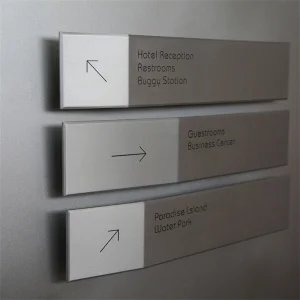
Explore our primary custom architectural letter systems, outdoor pylons, and bespoke advertising illumination designs.
An industry-leading whitepaper on the shift from traditional glass neon to solid-state LED silicone technology for demanding outdoor environments.
Historically, the architectural design sector prioritized traditional glass-discharge neon for its intense glow. However, high voltage hazards, fragility, high energy consumption, and rapid lumen depreciation made it a liability for global retail chains and multi-location corporate structures. Today, the commercial exterior signage landscape is dominated by flexible LED neon, which replicates the retro aesthetic while introducing modern solid-state reliability, programmatic control, and substantial operational cost savings.
For B2B buyers, global sourcing agents, and architectural project managers, choosing the right Wholesale Outdoor Neon Sign Manufacturer & Factory is no longer just about buying hardware; it is about establishing a long-term supply relationship that addresses regulatory compliance, thermal management engineering, and international logistics. This whitepaper details why modern outdoor LED neon signage systems represent the ultimate standard in business identification, wayfinding, and spatial branding.
By transitioning from traditional high-voltage glass transformers to low-voltage (12V/24V DC) LED circuits, companies reduce power draw by up to 70%. Modern SMD 2835 and COB LED chips achieve luminous efficacies of over 100 lm/W, providing uniform brightness without heat generation.
Outdoor signages face severe thermal shifts, UV radiation, and heavy rain. High-end manufacturers utilize UV-stabilized liquid silicone co-extrusion technology to enclose LED light engines. This ensures IP67 or IP68 waterproof ratings and prevents yellowing, cracking, or water ingress.
Global architectural and construction firms require compliance with localized electrical standards. High-tier industrial units manufacture signs that comply with CE, UL 48, and RoHS directives, simplifying local permit approvals and building safety certifications.
How the manufacturing ecosystem in China integrates raw material sourcing, optical design, and logistics to provide global value.
The global dominance of Chinese factories in the commercial signage sector is not just based on labor costs; it is driven by a deep supply chain, specialized material science, and high-precision automation. Modern factories integrate raw PMMA (acrylic) extrusion, high-density flexible PCB manufacturing, and custom silicone compounding in a single industrial cluster. This localized supply chain reduces development cycles and allows for rapid prototype testing.
From custom silicone compounding to high-performance LED packaging, every raw material is sourced locally within major industrial hubs like Shenzhen and Chengdu, minimizing logistics bottlenecks and material lead times.
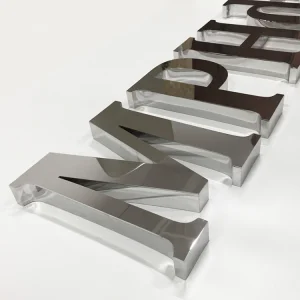
Automated cutting and routing technology allows for sub-millimeter precision on complex vector designs. This ensures that backing panels, channel letters, and silicone profiles align perfectly to prevent light leakage.
State-of-the-art factories employ integrating spheres, goniophotometers, and accelerated aging chambers. Every sign undergoes rigorous thermal and luminous flux testing before being packed for export.
By processing bulk material runs, Chinese manufacturers offer lower costs on raw materials while maintaining the flexibility required for bespoke, one-off architectural projects.
With over 30 years of expertise, we are a premier manufacturer of commercial signage and the industry’s first recognized leading enterprise. Our strength lies in our state-of-the-art manufacturing facilities, fully certified by ISO9001 and ISO14001 management systems, ensuring every product meets the highest international standards.
As a Strategic Partner of Alibaba, we combine manufacturing excellence with global reach. Our extensive portfolio carries CE, UL, and RoHS certifications, reflecting our uncompromising commitment to quality control. Today, our footprint spans the globe, with products serving clients in over 200 countries and regions. We have also established a robust support network with agents and sales points in more than 30 countries, guaranteeing local service for a global market.
We partner with international signage companies, design studios, and developers to deliver custom installations across sectors.

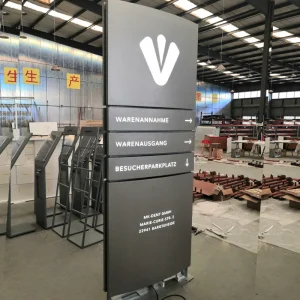
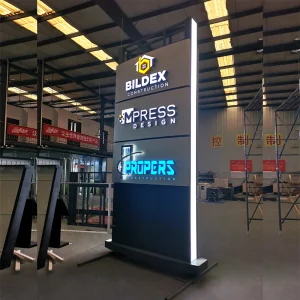
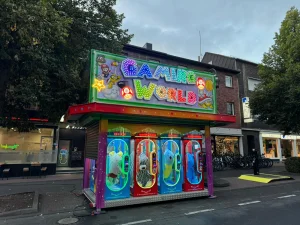
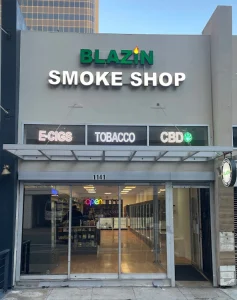
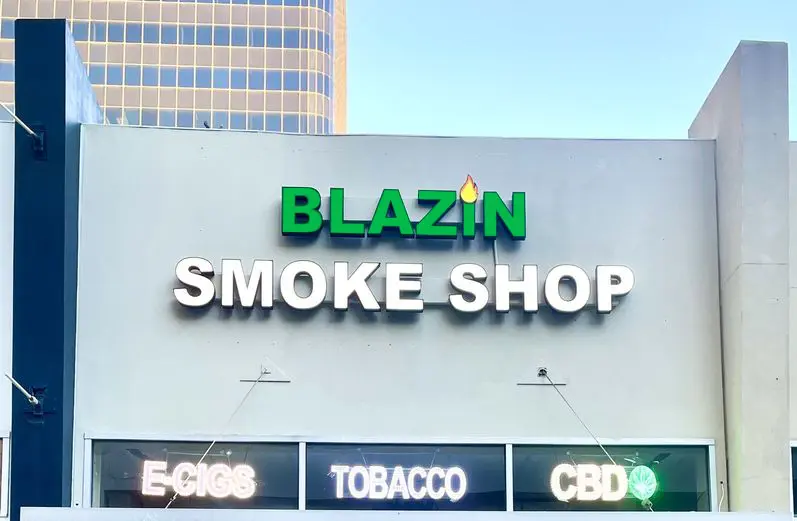
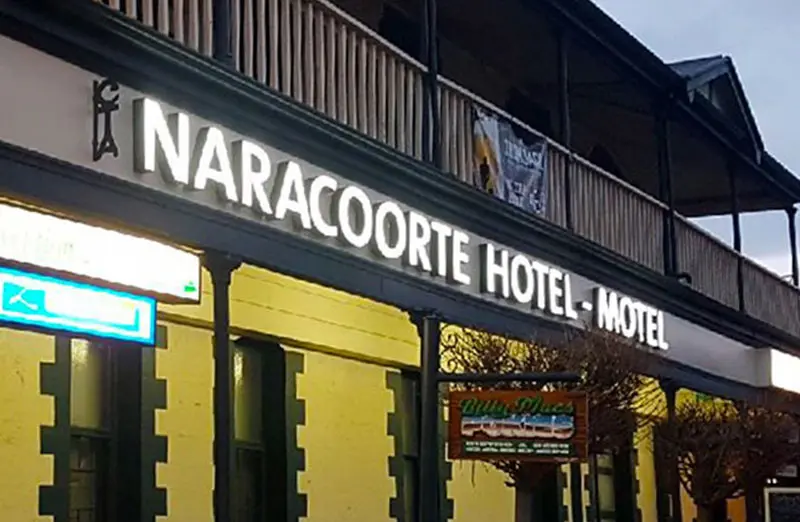
High-visibility storefront letters, pylons, and directional signage designed to increase foot traffic and guide customers through complex multi-level retail structures.
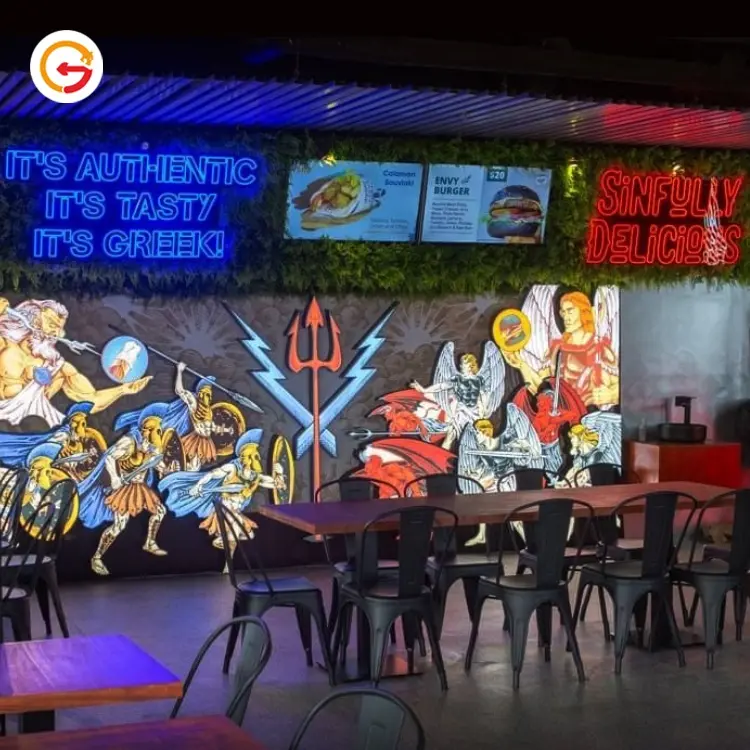
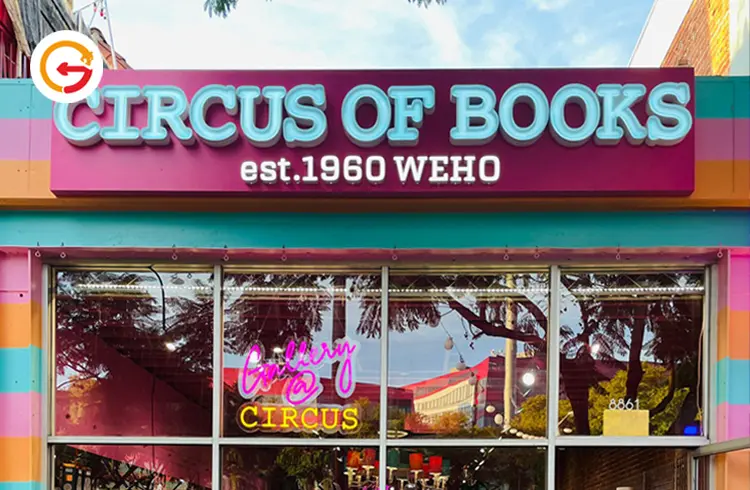

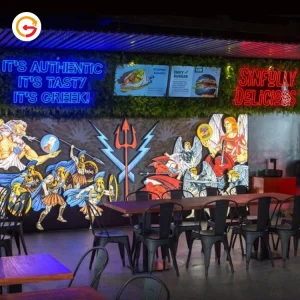
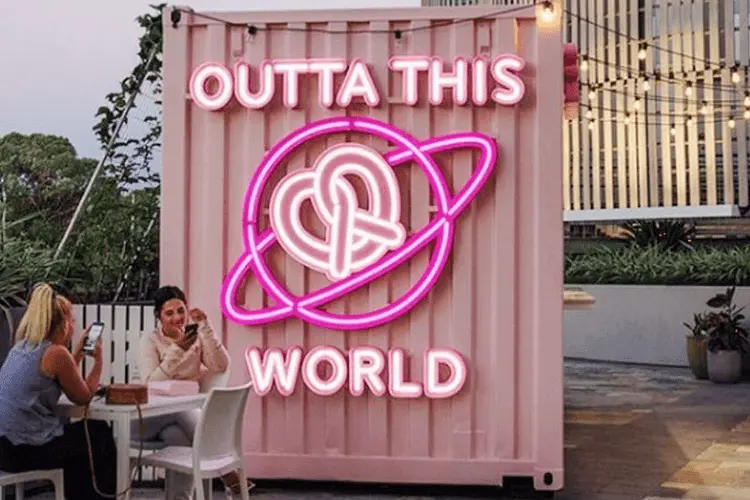
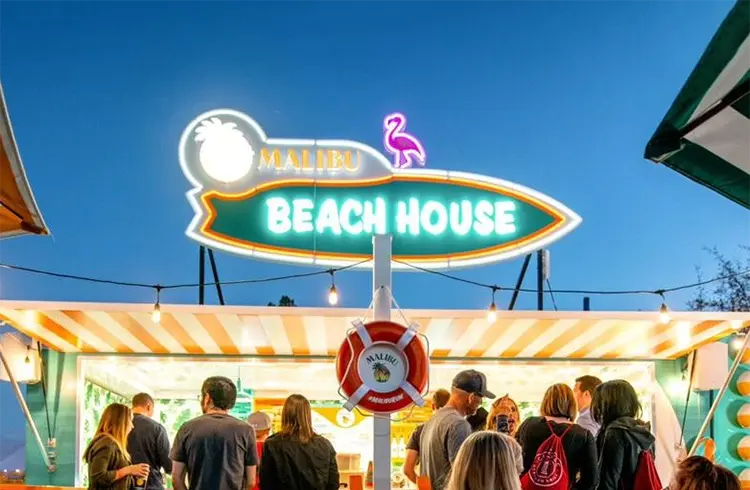
Bespoke LED neon signs, menu lightboxes, and warm ambient window signs that create unique spatial branding and attract diners day and night.
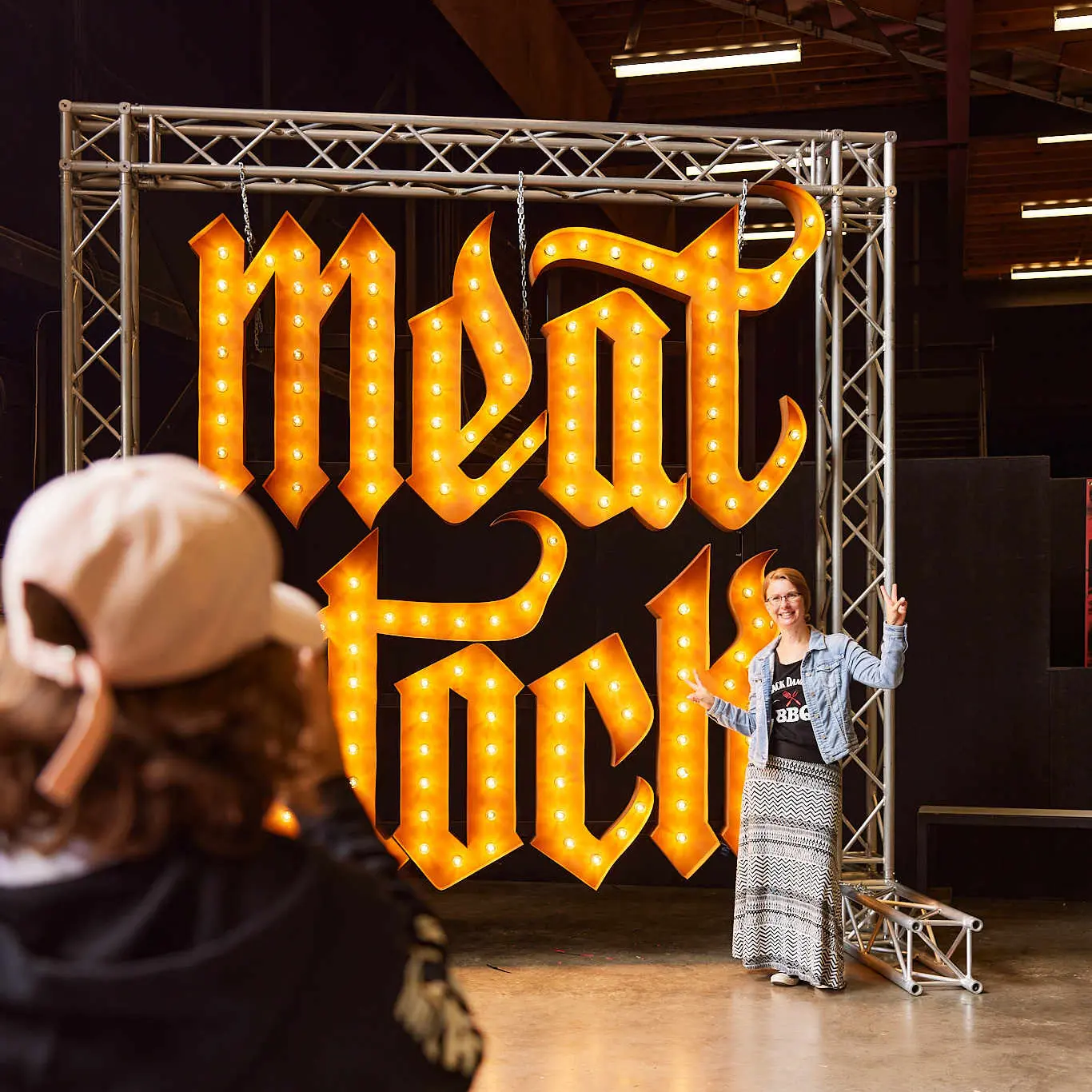

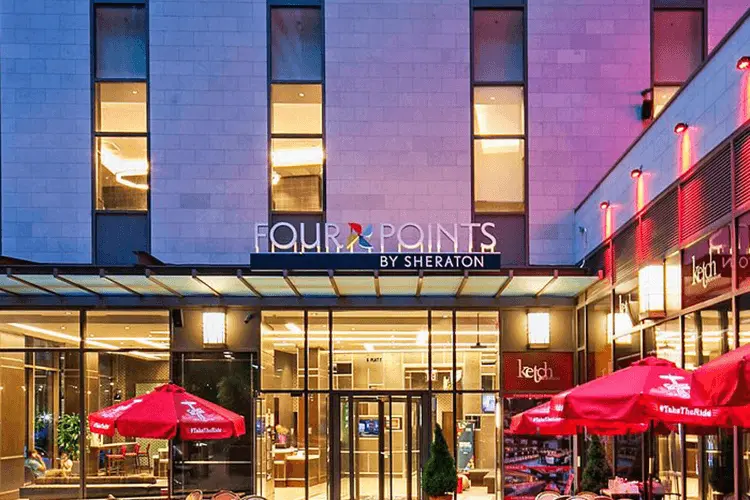
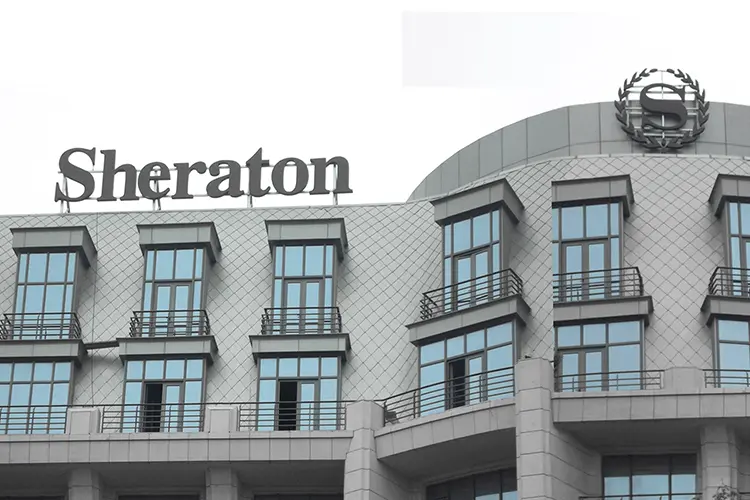
From elegant rooftop high-rise letters to interior room number plaques and escape route wayfinding, designed to match upscale hospitality aesthetics.


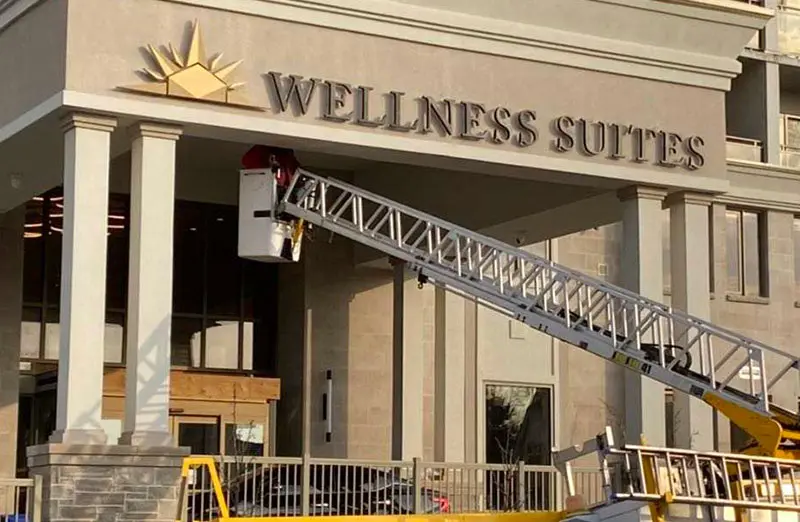
Clear, sanitizable interior directional markers, ADA-compliant tactile signs, and soothing architectural lighting elements tailored for hospitals and wellness clinics.
How we transform architectural blueprints into long-lasting, weatherproof sign systems.
Our sales and engineering teams review your vector assets, architectural elevations, and local site conditions to determine optimal scale and layout structures.
We optimize backing plate selections, trace wire paths, choose appropriate LED drivers, and design mounting bracket structures suited to withstand wind loads.
Our workshop cuts acrylic backboards using precision CNC machinery, shapes and mounts premium silicone LED extrusions, and applies protective seals.
Every finished outdoor sign undergoes a continuous 72-hour burn-in test, thermal imaging analysis, and water exposure tests to verify IP rating compliance.
Signs are packed in custom multi-layer foam-in-place cardboard or export-grade plywood crates, ensuring complete protection during international transport.
We provide wiring schematics, localized power conversion setups, and matching wall mount templates to support local sign installers.
Key trends shaping the future of global retail rollouts and architectural specifications.
Purchasing managers and developers must keep track of shifting building codes, energy policies, and design aesthetics. The modern architectural market is focusing on smart control integrations. Outdoor neon and channel letter signs are increasingly integrating DMX512 controls, Dali systems, and IoT interfaces to sync illumination patterns with building lighting schemes.
In addition, material circularity and ESG mandates are influencing procurement decisions. Global corporations require verified green manufacturing practices. Sourcing signs built with recyclability in mind—such as aluminum structures and lead-free PCBs—helps developers achieve LEED certification points.
| Feature Indicator | Traditional Glass Neon | Standard Flex LED Neon | Jaguar Sign Premium Outdoor System |
|---|---|---|---|
| Operating Voltage | 3KV - 15KV AC | 12V / 24V DC | 24V DC (Optimized for minimal voltage drop) |
| Weather Resistance | Poor (High glass breakage risk) | IP65 (PVC based, prone to UV yellowing) | IP67/IP68 (UV-Stabilized Medical Silicone) |
| Lifespan (MTBF) | ~10,000 Hours | ~30,000 Hours | >50,000 Hours (Equipped with high-spec Epistar/San'an chips) |
| Smart Integration | No (Analog Transformer) | Basic Controller | IoT, DMX512, RGBW, Smart Building Protocol Compatible |
| Energy Performance | High consumption (80W/meter) | Low consumption (12W/meter) | Ultra-efficient options (up to 140 lm/w custom chips) |
Technical answers to common questions about commercial exterior signage procurement, engineering, and installation.
Bespoke lighting systems, architectural wayfinding, pylon signs, and illuminated storefront letters.